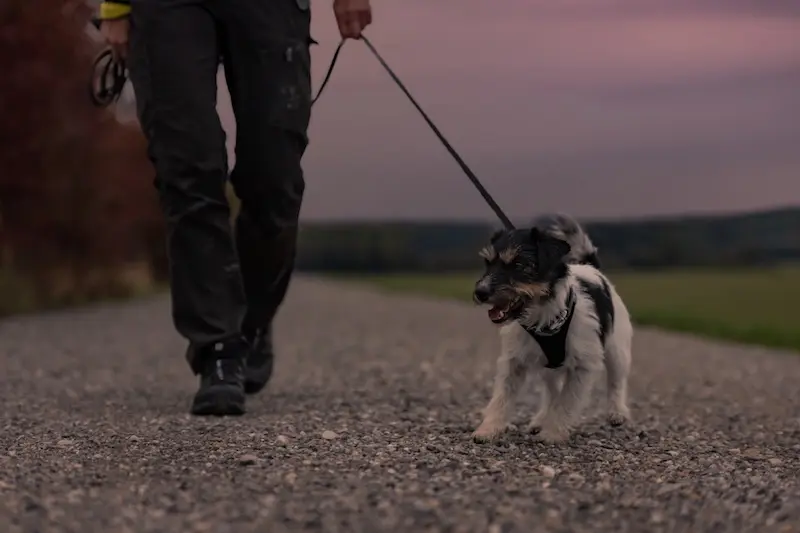
Learning how to reduce pet anxiety during shorter days can make a big difference to your furry friend once the clocks go back and the evenings start drawing in.
It’s dark by half four, the rain is tapping on the window, and your dog is sitting by the door at the exact time you used to head out for a sunny stroll. Sound familiar?
Our pets notice the change in season just as much as we do. The good news is that a few simple tweaks to their day can help most furry friends settle happily into winter!
Why shorter days can unsettle our furry friends
Less daylight, sleepier body clocks
Like us, pets have body clocks that take their cues from daylight. With less of it around, you might notice more snoozing, a little less get-up-and-go, or a restless streak in the evenings. Dogs are daytime creatures at heart, so long, dark evenings can leave them wondering what to do with themselves!
Vets are still unsure whether pets get the winter blues the way people do, though plenty of pet parents spot a change in mood once the nights draw in.
The clocks going back throws routines off
Your pet’s tummy keeps very good time! Since the clocks went back, dinner may feel an hour late, and the after-work walk now happens in the dark. If you’re getting home later than usual, some dogs can feel a bit wobbly about being left alone, too.
Pets pick up on our winter mood
When we stay in more and move less, our pets tend to follow our lead. So if you’re hibernating under a blanket, don’t be surprised if your pet decides to join you!
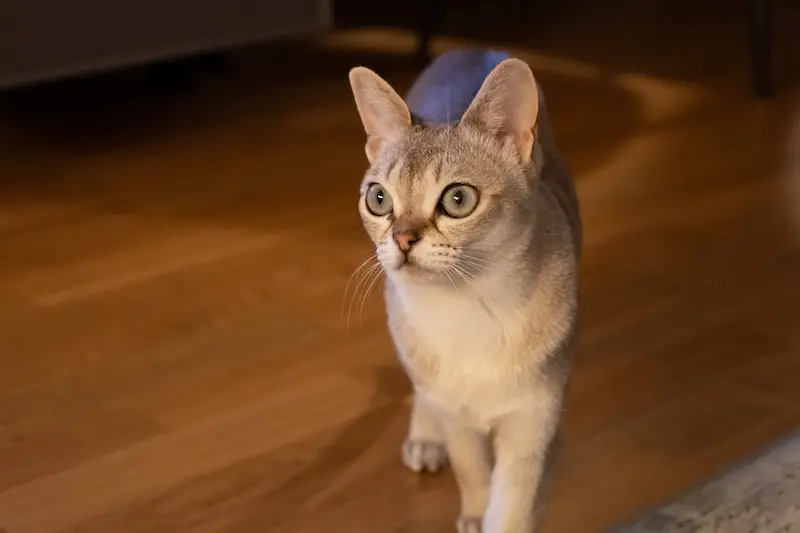
Signs your pet is feeling the winter wobbles
Signs to watch for in dogs
- Following you from room to room
- Pacing or whining around dinner time
- Restlessness at night
- Dragging their paws on dark evening walks
- Chewing things they’d usually ignore
Signs to watch for in cats and small pets
- Hiding away more than usual
- Getting extra chatty
- Grooming less carefully
- Changes in litter tray habits
- Even longer snoozes than normal
- Sitting hunched up (rabbits and guinea pigs)
- Losing interest in hay or playtime (rabbits and guinea pigs)
When to check in with your vet
Most pets settle within a week or two. Call your vet if your pet goes off their food for more than a day or so, seems very low on energy, or their behaviour changes suddenly. Rabbits and guinea pigs need to keep nibbling, so call straight away if they stop eating and never give pets human remedies or supplements.
How to reduce pet anxiety with a steady winter routine
How to reduce pet anxiety after the clocks change
Pets love knowing what comes next, so set times for meals and walks that stay the same, however early it gets dark. If your pet still seems unsettled, nudge their timings by 10 to 15 minutes a day until the new schedule feels normal.
Keep mealtimes and bedtimes predictable
Long winter evenings are much easier with a cosy wind-down ritual. A last walk or garden trip, a cuddle on the sofa, then lights down low will soon tell your furry friend it’s time to settle.
Make the most of the daylight you’ve got
Squeeze in a daylight walk or play session
If you can, sneak in a lunchtime walk so your dog gets some daylight sniffs, then save longer adventures for the weekend. Cats love a play session by a bright window, or a wander around the garden on drier days.
Let the light in at home
Open the curtains first thing and move beds and perches close to a sunny window. Watching birds, leaves and passers-by gives pets plenty to think about! For more indoor fun, our guide on how to calm pets when spending more time indoors is packed with brain games.
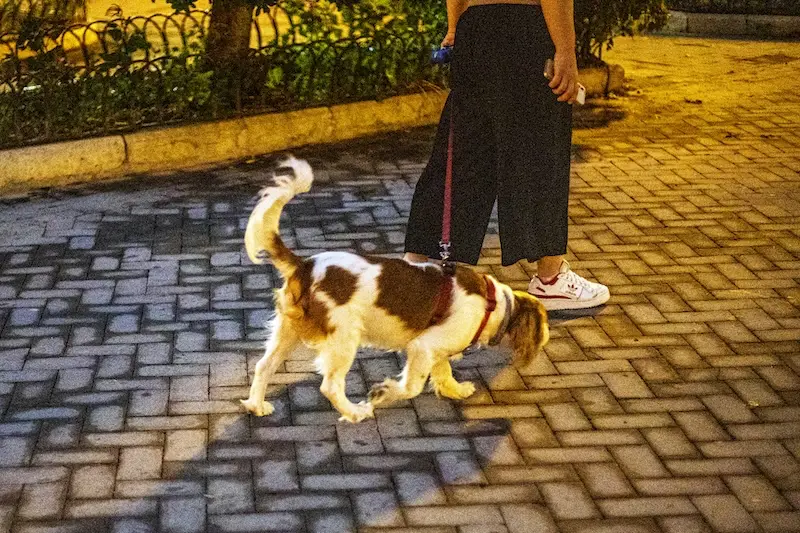
How to reduce pet anxiety on darker evenings
Calmer walks after dark
Stick to familiar routes, pop on a reflective harness or light-up collar, and keep your dog on a shorter lead. Dark evenings can put fireworks-wary dogs on edge, and stray bangs often carry on well after Bonfire Night. Our guide on how to calm nervous pets this fireworks and bonfire season has plenty more tips.
Cosy corners for cats and dogs
Set up a snug den with blankets in a quiet spot, and swap bright overhead lights for soft lamps once it’s dark. The radio or soft music can help cover noises outside. If your cat likes to roam, serve dinner a little earlier to tempt them home before dusk.
How to reduce pet anxiety in small pets this winter
Guinea pigs in particular don’t cope well with the cold. If you’re moving a hutch indoors or into a shed (never a garage where the car is kept), give your pets time to settle into their new spot. Keep bonded pairs together, pile in extra hay and hideaways, and choose a quiet corner away from the TV. Our guide to keeping small pets calm during Halloween has more ideas for snug set-ups.
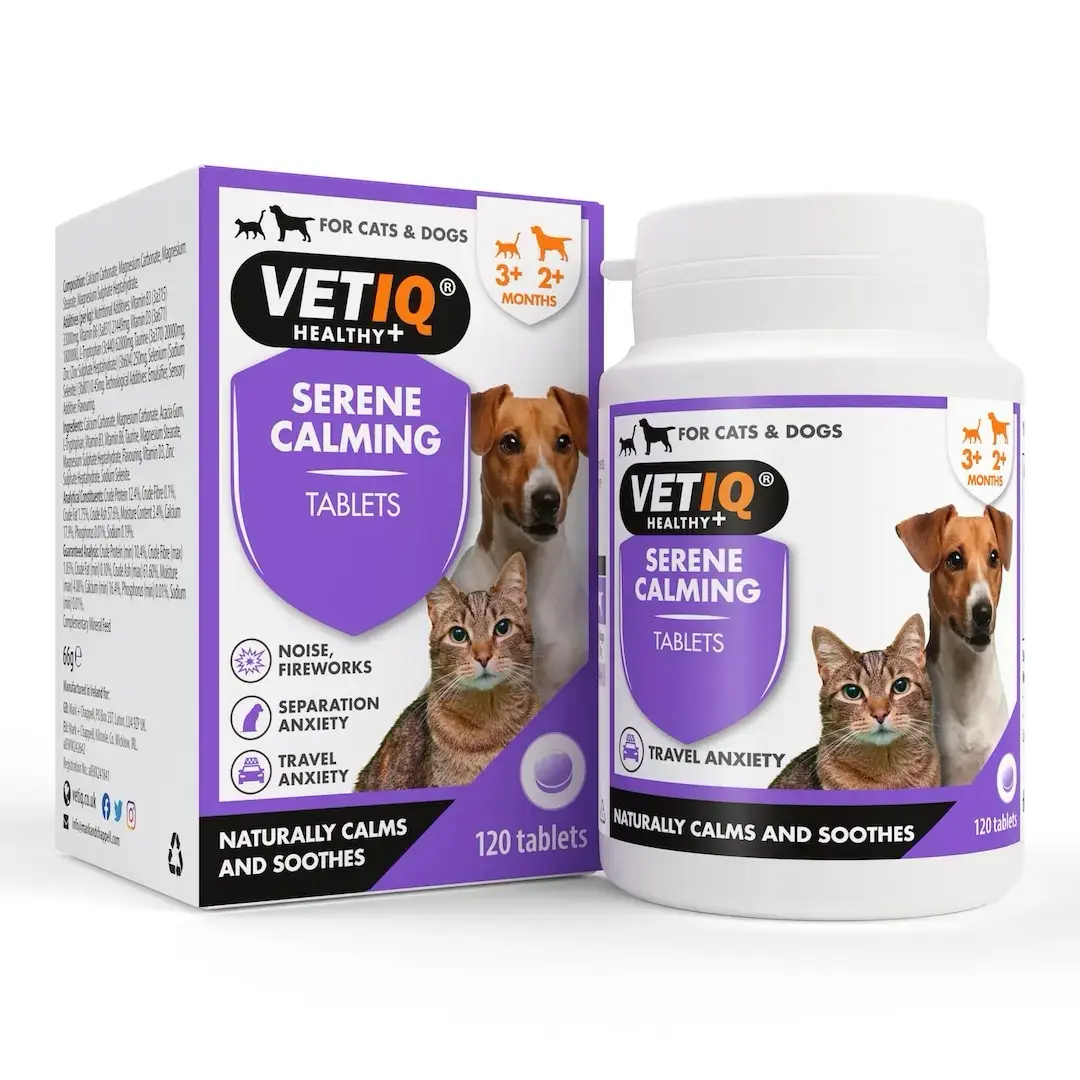
How to reduce pet anxiety this winter with a little help from VETIQ
A steady routine, a dose of daylight and a cosy corner will do a lot of the work. For an extra helping paw through the darker months, here’s why pet parents love our Serene Calming range.
Daily calming support for dogs and cats:
- Serene Calming Tablets: Made with natural ingredients, including L-Tryptophan, to help nervous or hyperactive dogs and cats stay calm, without a sedative effect. They’re safe for long-term use and non-addictive, and the 120-tablet pack makes them a handy cupboard staple to see your pet right through winter.
- Serene Calming Supplement Chews: Tasty roasted meat-flavoured chews for dogs, packed with L-Tryptophan, chamomile and lemon balm, and free from artificial colours, flavours and preservatives. Given regularly, they help keep your pooch relaxed before stress takes hold. They’re a paw-fect part of the evening wind-down!
Soothing support for cats and small pets:
- Serene Calming Portable Diffuser: This plug-free, battery-free diffuser releases a calming pheromone to help your cat relax naturally, without the sedative effect. It covers 65m² and lasts 30 days, so pop it in their favourite snoozing room and swap in a refill each month.
- Healthy Bites Serene Calming for Small Animals: Crunchy, cream-filled bites with chamomile and lemon balm to help ease stress, plus ginger oil to support relaxation. With only 4½ calories per bite and no added sugar, hand-feeding one makes a lovely bonding moment on a dark evening.
With a steady routine, plenty of cosy corners and a helping paw from Serene Calming, your furry family can settle in for a calm, contented winter!
How to reduce pet anxiety during shorter days FAQs
Q: Why does my pet seem anxious when the days get shorter?
A: Less daylight can affect your pet’s body clock, and the clocks going back shifts their whole routine. Later dinners, darker walks and more time indoors can all leave pets feeling a little unsettled.
Q: How can I tell if my dog is feeling the winter wobbles?
A: Following you from room to room, pacing around dinner time, restlessness at night and reluctance on dark evening walks. Chewing things they’d usually ignore can be a sign too!
Q: What are the signs of winter anxiety in cats and small pets?
A: Cats may hide more, get extra chatty, groom less or change their litter tray habits. Rabbits and guinea pigs might sit hunched up or lose interest in their hay and playtime.
Q: How do I help my pet adjust after the clocks go back?
A: We recommend setting fixed times for meals and walks that stay the same, however early it gets dark. If your pet still seems unsettled, nudge their timings by 10 to 15 minutes a day until the new schedule feels normal.
Q: How can I keep evening dog walks calm in the dark?
A: We suggest sticking to familiar routes, using a reflective harness or light-up collar, and keeping your dog on a shorter lead. Stray fireworks often carry on after Bonfire Night, so it’s worth staying close to home.
Q: Should I bring my rabbit or guinea pig indoors for the winter?
A: We recommend bringing guinea pigs in where possible, as they don’t cope well with the cold. If you’re moving a hutch indoors or into a shed, avoid garages where the car is kept, and keep bonded pairs together.
Q: When should I speak to my vet about my pet’s winter behaviour?
A: Call your vet if your pet goes off their food for more than a day or so, seems very low on energy or changes behaviour suddenly. Call straight away if a rabbit or guinea pig stops eating!
Q: Can I give Serene Calming Tablets every day through winter?
A: Yes, we’ve made them safe for long-term use, and they’re non-addictive, so you can stop at any time. They help dogs and cats stay calm without a sedative effect.
Q: Will Serene Calming Supplement Chews make my dog sleepy?
A: No, we love that they support calm behaviour without sedation. They’re made with L-Tryptophan, chamomile and lemon balm in a roasted meat flavour dogs love.
Q: How long does the Serene Calming Portable Diffuser last?
A: Each refill covers 65m² and lasts 30 days, so we suggest swapping in a fresh one every month through winter. Replace it after 30 days even if there’s still liquid left, as it stops working after that.