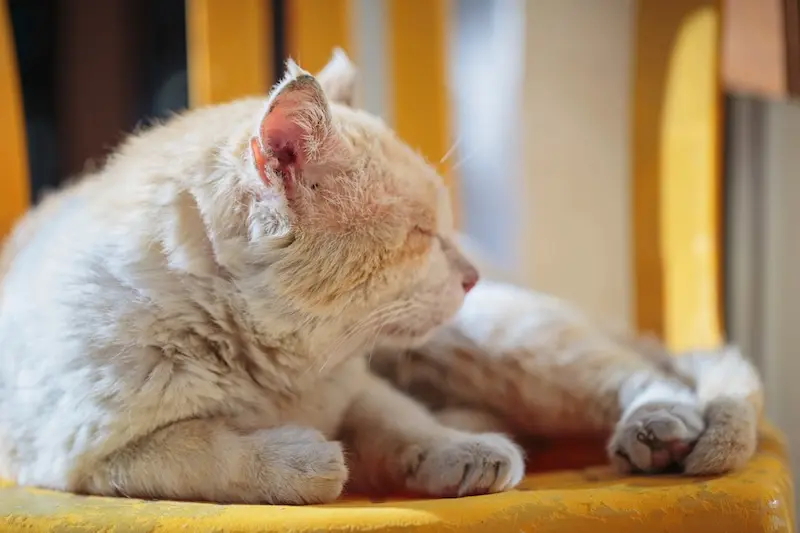
Cat diarrhoea is something most pet parents will deal with at some point, and while it’s rarely a reason to panic, it’s never a fun time for anyone involved, especially not your furry friend!
Cats can be surprisingly secretive about tummy troubles, especially the litter tray regulars among us. Sometimes the first clue you get is an unexpected mess, or a few too many trips to the tray in one day.
The good news is that most cases clear up within a day or two with a little TLC. This guide covers what tends to cause it, the signs worth keeping an eye on, and how to help your cat’s tummy settle back down.
What causes cat diarrhoea?
There’s rarely just one culprit behind an upset tummy. Diet, stress and underlying health can all play a part, sometimes all at once, because cats do love to keep us guessing!
Diet changes and food sensitivities
Switching food too quickly, a cheeky rich treat, or even a splash of milk can be enough to upset your cat’s digestion. Cats have delicate systems, so sudden changes rarely go down well, and some furry friends are more prone to food sensitivities than others.
Stress and new surroundings
Cats are creatures of habit through and through, so travel, a new home, a new pet in the house, or even rearranged furniture can be enough to trigger a bout of diarrhoea. Even a stressful trip to the vet in the carrier can set tiny tummies off!
Parasites, infections and other health conditions
Worms and infections are common causes, particularly in kittens or cats who love exploring outdoors. Ongoing tummy troubles can sometimes point to a longer-term digestive condition, so it’s always worth getting your vet’s take if things don’t settle.
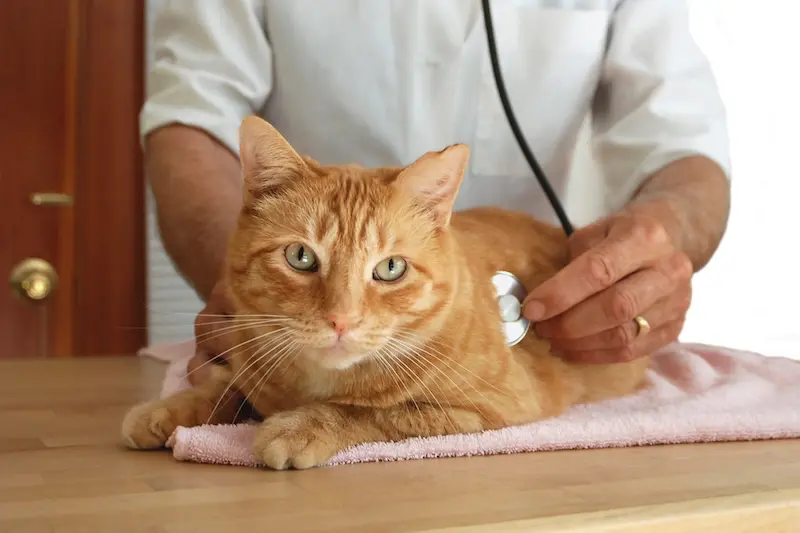
Spotting the signs of cat diarrhoea
Because cats are such pros at hiding when something’s wrong, it helps to know what to look out for, especially around litter tray time!
- Soft, watery or pudding-like stools
- More frequent trips to the litter tray
- Straining, or accidents outside the tray
- A change in stool colour or smell
- Blood or mucus in the stool
- Vomiting alongside diarrhoea
- Lethargy, or going off food and water
If you spot any of the last three, especially blood, mucus or vomiting, it’s best to call your vet sooner rather than later. Kittens, senior cats, and those with existing health conditions are worth watching especially closely too.
What to do if your cat has diarrhoea
A little TLC at home goes a long way for mild cases, but knowing what to avoid matters just as much!
Home care for mild cat diarrhoea
Keep fresh water topped up and offer small, bland meals rather than skipping food altogether. Most mild cases settle within 24 to 48 hours with some rest and a bit of extra fuss, so keep an eye on their appetite and energy in the meantime.
What never to give your cat
Never reach for human medicines like Imodium or Diocalm, tempting as it might be to grab whatever’s in the cupboard. They’re designed for people, not pets, and can cause serious harm to cats even in small doses, so always check with your vet before giving your cat anything that isn’t made specifically for them.
How to prevent cat diarrhoea in the future
A few simple habits can help keep your cat’s digestion, and your carpets, on track long term!
Stick to a consistent diet
Keep mealtimes and food brands steady, and if you do need to switch, do it gradually over a week or so to give their tummy time to adjust. Sudden swaps are one of the most common triggers, so a slow transition really does pay off.
Keep up with parasite prevention and vaccinations
Regular worming and a vet-recommended vaccination schedule help rule out some of the more common triggers before they even start. Annual check-ups are a great chance to catch anything brewing early, and a good excuse for extra treats afterwards!
Reduce stress where you can
A calm home, a familiar routine, and a safe, quiet space during travel or big changes all help keep your cat’s tummy settled. Even small things, like a favourite blanket or a bit of extra playtime, can make a big difference to a nervous furry friend.
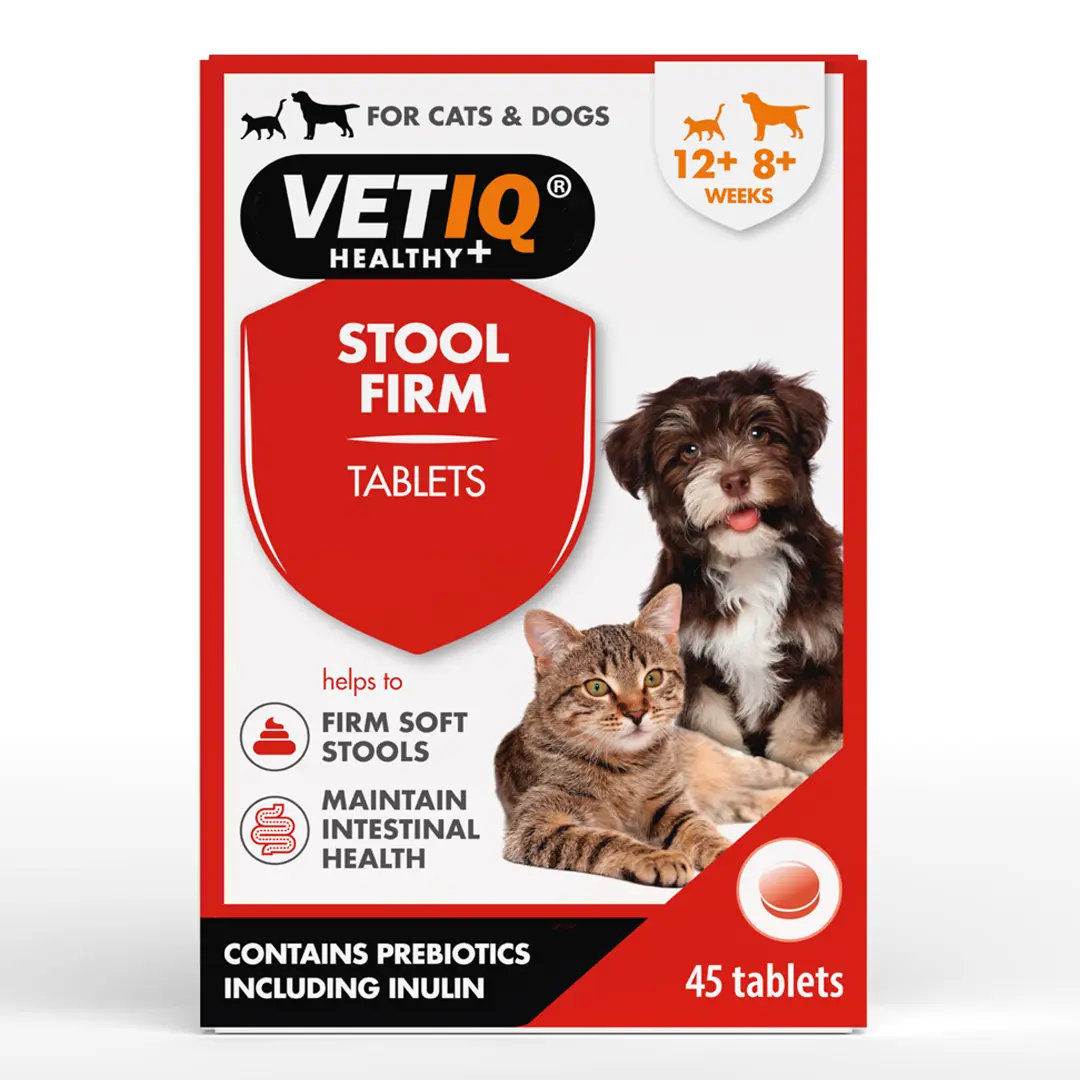
Give your cat’s tummy extra support with VETIQ Stool Firm
If your cat’s digestion could use a little extra help alongside these everyday habits, VETIQ Stool Firm Tablets are worth adding to the routine. Specially formulated with a blend of pectin and pumpkin for added fibre, they help firm up loose stools and support a settled tummy from the inside out, so your furry friend can get back to their usual paw-fect self:
- Helps form soft stools and eases symptoms of mild diarrhoea
- Contains kaolin to help absorb toxins in the gut
- Includes inulin, a prebiotic fibre that supports good gut bacteria
- Calcium carbonate helps form a protective barrier along the gut lining
- Suitable for kittens from 12 weeks old
A little extra digestive support can make a big difference to how quickly your cat bounces back, and how settled they feel day to day. With the right care and a watchful eye, most tummy troubles are nothing more than a small bump in the road, leaving you both free to get back to the important business of naps and cuddles!
Cat diarrhoea FAQs
Q: How long does cat diarrhoea usually last?
A: Mild cases often clear up within 24 to 48 hours with some rest and TLC. If it goes on longer than that, or your cat seems off-colour, it’s worth giving your vet a call.
Q: When should I worry about my cat’s diarrhoea?
A: We’d recommend getting in touch with your vet if you spot blood or mucus in the stools, if your cat is also vomiting or seems lethargic, or if things haven’t settled within a day or two.
Q: Can stress cause diarrhoea in cats?
A: Yes! Cats are creatures of habit, so travel, a new home, a new pet, or even a change in routine can upset their tummy just as much as a dodgy meal can.
Q: What can I feed my cat with diarrhoea?
A: Small, bland meals tend to go down easiest. We’d suggest sticking with your cat’s usual food where possible, offered in smaller amounts more often, with fresh water always on hand.
Q: Can I give my cat human diarrhoea medicine?
A: No, please don’t! Medicines like Imodium and Diocalm are made for people and can be dangerous for cats. Always check with your vet before giving your cat anything that isn’t made specifically for pets.
Q: Is it normal for kittens to get diarrhoea?
A: It can happen, especially around weaning or a change in food, but kittens dehydrate much faster than adult cats. We’d always recommend a vet check if a kitten has diarrhoea for more than a few hours.
Q: Can I give my cat Stool Firm Tablets alongside their normal food?
A: Yes! VETIQ Stool Firm Tablets are designed to fit easily into your cat’s everyday routine, and they’re suitable for kittens from 12 weeks old too.
Q: How can I stop my cat’s diarrhoea coming back?
A: Sticking to a consistent diet, staying on top of parasite prevention, and keeping stress to a minimum are the best ways to help keep your cat’s tummy settled for the long run.