
A sensitive stomach in dogs can turn mealtimes, walks and car journeys into a bit of a guessing game, but once you know the signs, they’re easy to spot!
Some dogs will happily eat just about anything without a second thought, while others need a little extra care with what goes in their bowl. If your pup falls into that second group, you’re in good company.
Here’s how to tell the difference between the odd off day and a proper sensitive tummy, plus a few simple ways to help settle things down!
What do we mean by a sensitive stomach in dogs?
Every dog has the occasional dodgy tummy day, usually after scoffing something they shouldn’t have. A sensitive stomach in dogs is a bit different: it’s when these little upsets keep cropping up, rather than being a one-off.
Occasional upset vs. an ongoing sensitive tummy
If your dog’s tummy trouble pops up once in a blue moon, it’s probably nothing to worry about; a bin raid or a rogue bit of birthday cake will do that to anyone! But if you’re noticing a pattern, say once a month or more, that’s usually a sign their digestive system is just a bit more easily unsettled than most.
Common triggers for doggy tummy trouble
A few usual suspects tend to set things off:
- Sudden changes to food or treats
- Rich or fatty table scraps
- Low-quality ingredients or fillers
- Stress, such as travel or a change in routine
- A bit too much scavenging on walks
Some dogs are simply born with a fussier gut than others, no matter how carefully you manage their diet.
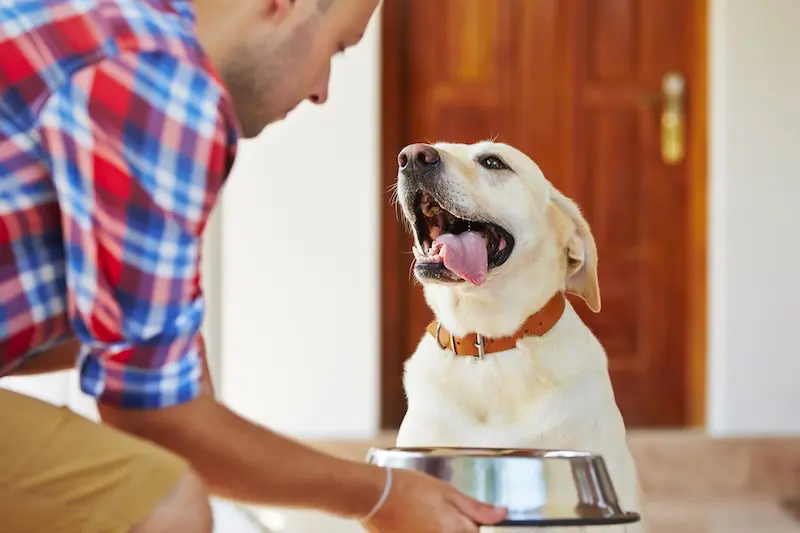
7 signs of a sensitive stomach in dogs
So, how do you know if your dog’s stomach falls into the sensitive category? Here are the seven signs worth keeping an eye on:
- Loose, soft or watery stools: Probably the most obvious sign, and one that’s easy to spot on a walk.
- Excessive wind: A bit of gas is normal, but frequent, eye-watering flatulence often points to a digestive struggle.
- Occasional vomiting: Bringing up food or bile now and then, especially after meals.
- A gurgling or rumbling tummy: Audible rumbles are your dog’s gut telling you something’s not quite settled.
- Going off food: A normally food-obsessed dog turning their nose up at dinner.
- Low energy: Seeming a bit flat, or less interested in walks and playtime than usual.
- A dull coat or skin flare-ups: Digestion and skin health are closely linked, so tummy trouble can sometimes show up as itchiness or a coat that’s lost its shine.
One or two of these now and then is nothing to fret over. It’s when several show up together, or keep coming back, that it’s worth paying closer attention.
A sensitive stomach in dogs: When to see a vet
Most sensitive stomachs can be managed at home with a few simple tweaks, but it’s always worth knowing when to get a professional opinion.
Here are some signs that need a vet’s attention:
- Blood in the stool or vomit
- Vomiting or diarrhoea that doesn’t ease up after a day or two
- Noticeable weight loss
- Your dog seeming genuinely under the weather, not just a bit off
If you spot any of these, it’s best to book a vet visit rather than wait it out.

Simple ways to support a sensitive tummy
The good news is that most sensitive stomachs respond really well to a few small changes.
Some small habits can make a big difference:
- Stick to a consistent feeding schedule
- Change foods gradually, mixing old and new over about a week
- Cut back on rich treats and table scraps
- Keep bins and counters out of paws’ reach, on walks and at home
None of this needs to be complicated; small, consistent habits go a long way for a happier gut!
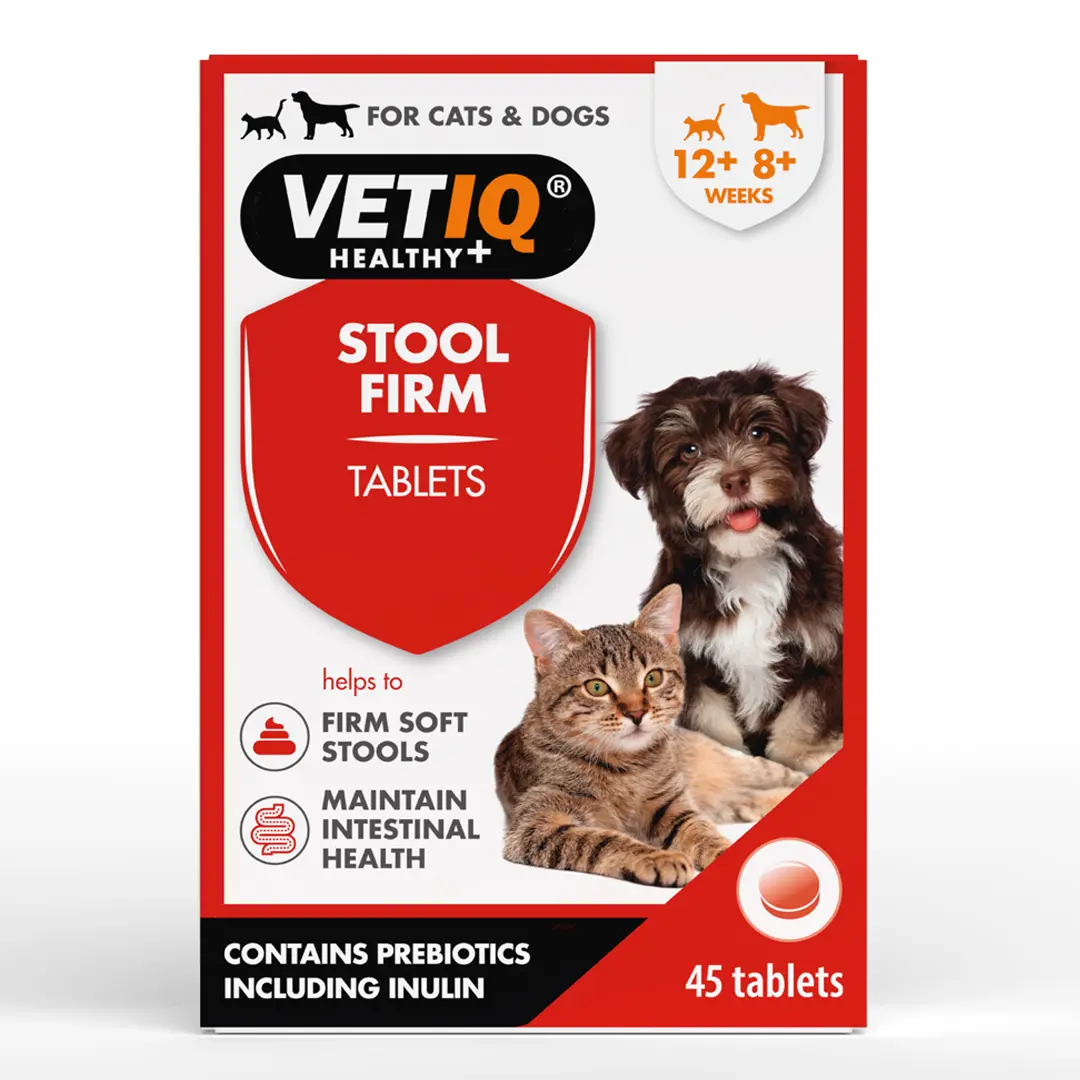
Help settle your dog’s tummy with VETIQ Stool Firm Tablets
If your dog’s sensitive stomach could use a bit of extra support, VETIQ Stool Firm Tablets are worth adding to the routine.
Here’s why our pet parents love them:
- Contains pectin and pumpkin for added fibre and firmer stools
- Kaolin helps absorb toxins in the gut
- Inulin, a prebiotic fibre, supports healthy gut bacteria
- Calcium carbonate helps maintain a healthy gut balance
- Suitable for puppies from 8 weeks
From loose stools to low energy and a lacklustre coat, Stool Firm Tablets are designed to help with several of the signs covered above, supporting digestion without any fuss. Give your dog’s tummy the support it deserves, one tablet at a time!
Signs of a sensitive stomach in dogs FAQs
Q: What causes a sensitive stomach in dogs?
A: Sudden diet changes, rich treats, low-quality food and stress are among the most common causes, though some dogs are simply more prone to tummy trouble than others.
Q: How do I know if my dog has a sensitive stomach or just ate something bad?
A: Keep an eye on how often it happens. A one-off upset after a bit of scavenging is usually nothing to worry about, but recurring signs, roughly once a month or more, often point to a genuinely sensitive stomach.
Q: What are the most common signs of a sensitive stomach in dogs?
A: Watch out for loose stools, excessive wind, occasional vomiting, a gurgling tummy, appetite loss, low energy and a dull coat. A few of these together are usually the clearest signs!
Q: Can changing my dog’s food help a sensitive stomach?
A: Yes; vets recommend introducing new food gradually, mixing it with the old food over about a week, so the gut has time to adjust.
Q: When should I take my dog to the vet for stomach issues?
A: We suggest booking a vet visit if you notice blood in the stool or vomit, symptoms lasting more than a day or two, weight loss, or your dog seeming properly unwell.
Q: Can a sensitive stomach affect my dog’s skin and coat?
A: Yes, we find that digestive troubles can sometimes show up as a dull coat or itchy skin, since gut health and skin health are closely linked.
Q: How can VETIQ Stool Firm Tablets help my dog’s sensitive stomach?
A: VETIQ Stool Firm Tablets contain pectin, pumpkin, kaolin and prebiotic fibre to help firm up stools, support gut bacteria and maintain a healthy digestive balance.
Q: Are VETIQ Stool Firm Tablets suitable for puppies?
A: Yes, they’re suitable for puppies from 8 weeks, so they can support sensitive tummies from an early age!