


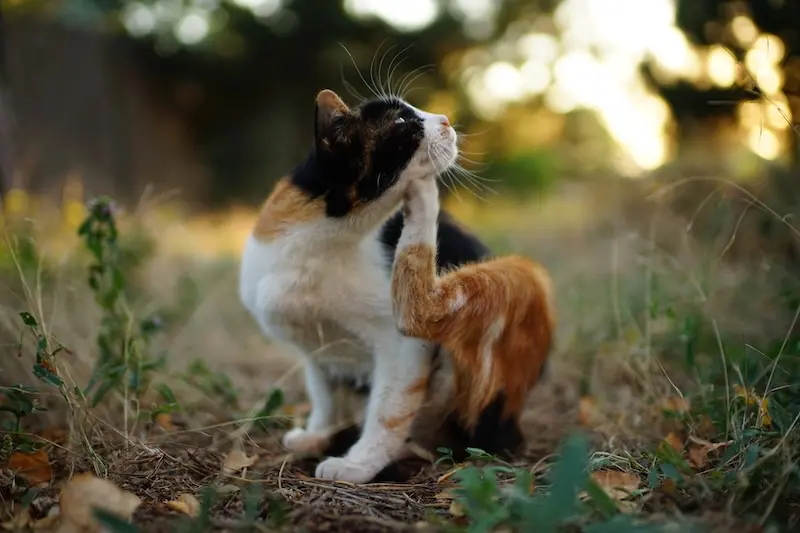
Spotting the signs of fleas in pets early can save everyone a lot of head scratching later on; no pun intended! These tiny troublemakers may be small, but they’re experts at operating under the radar, and once they dig in, they can really start to bug your pet as well as infest your home!
Because fleas are quick, sneaky, and great at hiding in fur, many owners only realise something’s wrong once the itching begins. Thankfully, if you know what to look for, you can catch the early clues before the situation gets out of hand. Let’s explore some of the tell-tail signs that fleas may be trying to move in, and then how to get rid of them!
Why it pays to know the signs of fleas in pets early
Fleas may be tiny, but they can cause a surprisingly big headache for pets and their owners. What starts as a little scratch can quickly become a much bigger issue if these unwelcome guests are left to settle in. A single flea can lay dozens of eggs every day, and those eggs don’t stay neatly on the pet; they tumble into carpets, bedding, and soft furnishings, where they quietly develop through larval and pupal stages before emerging as new adults ready to hop back into action!
What many pet owners don’t realise is that only a small portion of a flea population actually lives on the pet itself. Most of them are hiding out in the surrounding environment, waiting patiently for the next chance to jump aboard. In other words, if fleas move in, they rarely come alone!
How quickly can a flea problem escalate?
Flea pupae are impressively stubborn. They can lie dormant in carpets and upholstery for months, essentially waiting for the right moment to make their grand entrance. When warmth, movement, or the presence of a nearby host triggers them, they hatch, and the flea life cycle gets back into full swing.
This is why spotting the problem early really matters. In multi-pet households, especially, fleas can spread faster than you can say “no scratchies!”. Even pets that rarely step outside can end up with fleas thanks to these persistent little hitchhikers. Acting quickly at the first signs can help stop the problem before it really gets legs.

The most common signs of fleas in pets
Knowing what to look for is half the battle when it comes to fleas. The signs of fleas in pets tend to fall into two categories: changes in behaviour and physical clues you can spot on the coat or skin. Quite often, both appear together, giving observant pet owners a helpful heads-up that something isn’t quite right.
Behavioural signs of fleas in pets
Some of the most obvious signs of fleas in pets show up in their behaviour. A dog or cat that suddenly starts scratching intensely, especially around the neck, base of the tail, belly, or inner thighs, may be reacting to flea bites. Keep an eye out for behavioural changes such as:
- Frequent scratching or biting at the skin, particularly around the neck, belly, or tail base
- Restlessness or agitation, as pets struggle to get comfortable due to itching
- Nibbling or chewing at irritated areas of the coat
- Head shaking or rubbing the body along carpets and furniture
- Excessive grooming, especially in cats
Cats, in particular, can be masters of subtlety. Instead of obvious scratching, a flea-bothered cat may simply groom far more than usual. Over time, this can lead to thinning fur or small bald patches that seem to appear out of nowhere.
Physical signs of fleas in pets
A closer inspection of your pet’s coat can sometimes reveal the tell-tale clues fleas leave behind. Gently parting the fur, particularly around the neck and the base of the tail, may reveal:
- Small red bumps or irritated patches of skin caused by flea bites
- Hair loss or thinning fur, often from scratching or over-grooming
- Tiny dark specks in the coat, commonly known as “flea dirt”
- Inflamed or sensitive skin, particularly in areas that pets can easily scratch
- Pale gums in severe cases, which may indicate anaemia in smaller pets or kittens
One of the most reliable indicators is something known as “flea dirt”. Despite the name, it’s not ordinary dirt at all. These tiny dark specks, which resemble ground pepper scattered through the fur, are actually flea droppings made from digested blood.
There’s an easy at-home way to check: place the specks onto a damp white tissue and press gently. If they dissolve into a reddish-brown stain, you’ve found flea dirt, which means fleas are almost certainly present, even if you haven’t caught one in the act.
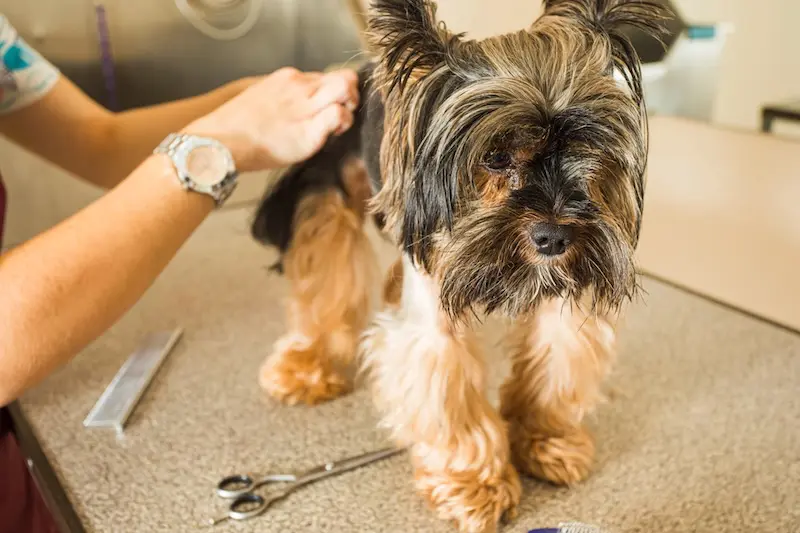
How to check a pet for fleas at home
The flea comb test: A quick and easy check
A flea comb, a fine-toothed comb available from most pet shops, is one of the simplest and most effective tools for checking your pet at home. Slowly comb through the fur, paying particular attention to the neck, back, and base of the tail. After each pass, tap the comb onto a damp white cloth or piece of kitchen paper.
If small dark specks fall out, gently press them into the damp surface. Should they spread into a reddish-brown colour, flea dirt has been confirmed.
It’s worth remembering that the absence of visible fleas doesn’t necessarily mean you’re in the clear. Fleas are fast movers and expert hiders, so spotting flea dirt alone is often enough to confirm their presence. Thankfully, the comb test takes just a couple of minutes and can easily become part of a regular grooming routine, helping you stay one step ahead of these persistent pests.
Bedding, carpets, furniture!
Because fleas don’t spend all their time on their host, checking the pet is only part of the story. It’s also a good idea to inspect bedding, favourite sleeping spots, carpets, and soft furnishings for flea dirt or tiny pale eggs.
One surprisingly simple trick is the white sock test. By slowly shuffling through carpeted areas while wearing white socks, you may pick up fleas or dark specks of flea dirt that would otherwise go unnoticed. Another clue can be small bites around human ankles or lower legs; fleas are opportunistic and will happily bite people if their preferred furry host isn’t nearby.
If you notice a combination of itchy pets and mysterious ankle bites, it may be time to investigate further, because fleas rarely miss an opportunity to jump into the action!
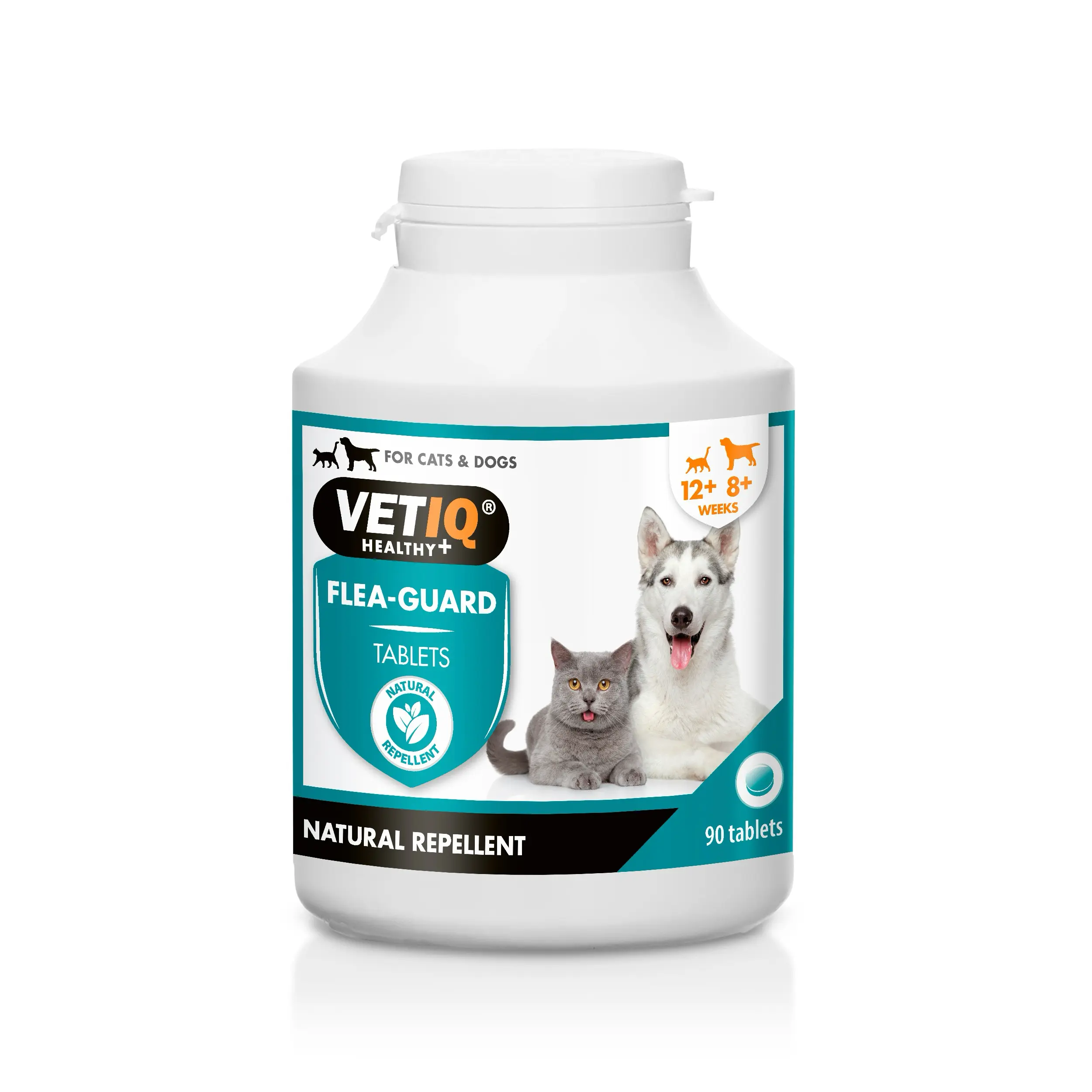
Beat fleas for good with VETIQ Flea Guard
Spotting the signs of fleas in pets early is the first step toward keeping them comfortable, healthy, and itch-free, but prevention is what keeps those pesky jumpers from coming back. That’s where VETIQ Flea Guard can make all the difference, helping protect pets from fleas, ticks, and mosquitoes while supporting overall skin and coat health.
- VETIQ Flea Guard Tablets: A natural, easy-to-administer repellent that works from the inside out. With a blend of B vitamins, yeast, zinc, and garlic, these tablets help deter fleas, ticks, and mosquitoes while promoting a glossy coat, healthy skin, and fresher-smelling pets.
- VETIQ Flea Guard Granules: A 100% natural alternative that can be simply mixed into food. Free from artificial colours, flavours, and preservatives, the granules deliver the same powerful blend of ingredients to help repel pests while supporting healthy skin and coat condition.
Trusted by pet owners around the world since 1987, VETIQ is passionate about helping pets live happy, healthy lives at every stage. Explore the VETIQ Flea Guard range today and give your pet the natural protection they deserve!
Recognising the signs of fleas in pets FAQs
Q: Why is it important to recognise the signs of fleas in pets early?
A: Recognising the signs of fleas in pets early helps prevent infestations from spreading throughout the home and affecting other pets.
Q: What are the most common signs of fleas in pets?
A: Frequent scratching, biting or chewing at the skin, restlessness, excessive grooming, and small dark specks in the fur known as flea dirt.
Q: How can an owner check a pet for fleas at home?
A: A simple method is to use a flea comb through the pet’s fur and press any dark specks onto a damp white cloth to see if they turn reddish-brown, indicating flea dirt.
Q: What does flea dirt look like on pets?
A: Flea dirt appears as tiny dark specks in the fur that resemble ground pepper and turn reddish-brown when placed on a damp tissue.
Q: Where are fleas most commonly found on pets?
A: Fleas are most commonly found around the neck, base of the tail, belly, and inner thighs, where the skin is warm and easy to bite.
Q: Can indoor pets still get fleas?
A: Yes, indoor pets can still get fleas because they can be brought inside on clothing, shoes, or other animals.
Q: What are the signs of fleas in the home?
A: Flea dirt or eggs in carpets and bedding, as well as unexplained bites around human ankles or lower legs.
Q: What are VETIQ Flea Guard Tablets used for?
A: VETIQ Flea Guard Tablets help naturally repel fleas, ticks, and mosquitoes while supporting healthy skin, coat condition, and fresher-smelling pets.
Q: How do VETIQ Flea Guard Granules work for pets?
A: VETIQ Flea Guard Granules are mixed into a pet’s food to naturally help deter fleas, ticks, and mosquitoes while supporting skin and coat health.

