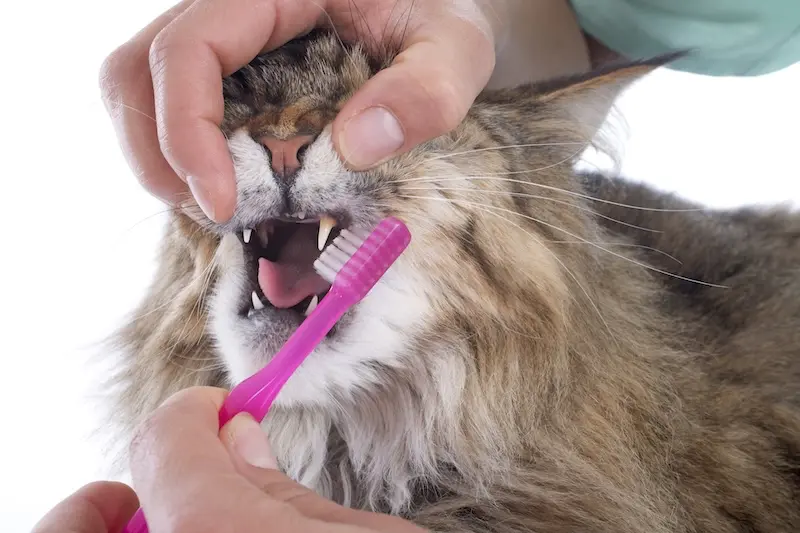
How to clean your pet’s teeth is one of the most important (and most frequently dodged!) parts of everyday pet care. We brush our own teeth on autopilot, but our pets are blissfully unaware of plaque, tartar, or that eau de dog breath is not a desirable scent. Good dental care isn’t just about fresher kisses (although that’s a very welcome perk); it helps protect your pet from sore gums, tooth decay, and health issues that can sneak up on them over time.
It’s easy to understand why many pet owners put dental care on the long paw. Wrestling with a wriggly dog or trying to reason with a cat who clearly did not sign up for this can feel like a losing battle. But here’s the paws-itive news: it doesn’t have to be a drama. With a relaxed approach, the right tools, and a little patience, dental care can become just another part of your pet’s routine, one that keeps tails wagging, whiskers twitching, and smiles healthy all around!
How to clean your pet’s teeth without stress
For most pet parents, the biggest hurdle isn’t technique; it’s the what-ifs. What if they bite? What if they panic? What if they act like you’ve betrayed them forever? If you go into dental care thinking it’s going to be a nightmare, chances are your pet will sense that tension and decide to make it one.
The trick to a stress-free experience is a mindset shift. Instead of treating dental care like a veterinary procedure, think of it as teaching a new trick! Pinning your pet down or forcing the issue usually backfires, turning tooth time into a wrestling match nobody wins. A calm environment, patience, and trust go a long way. When your energy stays relaxed and positive, your pet is far more likely to play ball.
Tip #1. Start slowly and build trust
You wouldn’t expect a toddler to sit calmly through a root canal, so don’t expect your pet to immediately welcome a toothbrush into their life. The secret ingredient here is slow, steady exposure.
Start by gently touching their muzzle, lifting their lips, or lightly rubbing their gums with your finger. Keep it brief, low-pressure, and always follow up with praise, a favourite toy, or a play session. This teaches your pet that mouth handling isn’t scary, and may even come with perks. If they pull away, just try again tomorrow, and remember that trust isn’t built in a day (even if the tail is wagging!).
Tip #2. Choose the right time (and keep it brief!)
Timing really is everything. Trying to brush a high-energy puppy’s teeth right before walkies is a recipe for chaos. Instead, aim for moments when your pet is already chilled out; after exercise, after dinner, or during their evening flop-on-the-floor phase.
When you do start, keep sessions short and sweet. Even 30 seconds is a big win early on. A quick, positive daily routine beats a once-a-month dental showdown every time. Consistency is the real treat here; those small, regular efforts soon become part of the daily routine, rather than something your pet dramatically protests against.
How to clean your pet’s teeth at home safely
When it comes to dental care, think safety first. Done correctly, home brushing is perfectly safe and one of the best ways to prevent plaque buildup. Focus only on the outer surfaces of the teeth (the cheek-facing side), as that’s where plaque loves to set up camp.
There’s no need to scrub too hard. Gentle, circular motions along the gum line do the job nicely. And whatever you do, keep human dental products well away from your pet. Ingredients like xylitol and high levels of fluoride can be dangerous if swallowed. Stick to pet-safe dental products and a soft touch, and you’ll do just fine.
Tip #3. Use pet-friendly dental tools only
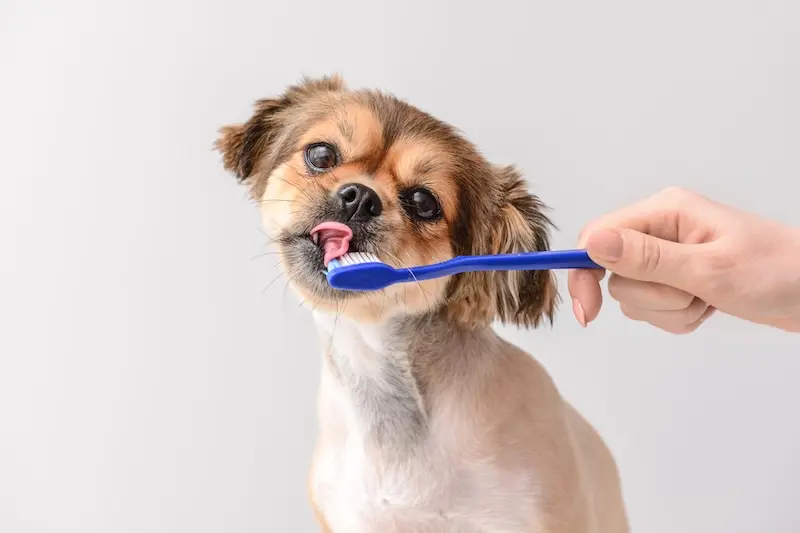
Your pet’s mouth is a sensitive place, so the right tools matter. Human toothbrushes are often too firm and awkwardly shaped. Pet toothbrushes or silicone finger brushes are designed with smaller mouths and delicate gums in mind and give you better control.
Before brushing even begins, let your pet taste the toothpaste. Pet-friendly formulas usually come in crowd-pleasing flavours like poultry or beef, turning tooth time into something that feels suspiciously like a treat. Let them lick a little off your finger first, so the brush doesn’t come as a shock. Also, remember that pet brushes need replacing regularly. Even your pet deserves fresh gear!
Tip #4. Try no-brush options for reluctant pets
Let’s face it: some pets are simply not team toothbrush. Whether it’s a cat with strong opinions, a senior dog with tender gums, or a pet who takes brushing as a personal insult, forcing it isn’t the answer.
Dental care should work with your pet, not against them. Thankfully, there are plenty of no-brush options that still do a great job. Dental powders mixed into food, water additives, and dental sprays can all help reduce plaque without the wriggle, drama, or side-eye. These options are especially handy for pets who prefer their dental care to be somewhat low-contact.
How to clean your pet’s teeth using everyday routines
The easiest way to stay consistent is to build dental care into habits you already have. This “habit stacking” hack makes routines almost effortless. Apply a dental spray after dinner, or brush their teeth right before you brush your own.
When dental care becomes part of the daily rhythm, it stops feeling like an extra task and starts feeling automatic. No reminders needed, no mental juggling, just another small moment in your shared routine that keeps those chompers in good shape.
Tip #5. Watch for warning signs and act early
Dental care is all about prevention, but being observant is just as important. Pets can’t tell us when something hurts, so we have to play detective. Signs like bad breath, red or bleeding gums, or sudden fussiness around food can all point to dental trouble.
You might notice your pet pawing at their mouth, chewing on one side, or dropping food mid-meal. Spotting these clues early can prevent minor issues from turning into major problems, keeping your pet comfortable, happy, and chewing with confidence.
How to clean your pet’s teeth long-term (not just once)
The goal here is progress, not perfection. Missing a day or having a grumpy session won’t undo all your good work. What really counts is sticking with it over the long haul. As your pet ages, their needs may change, and your approach should change with them.
A senior dog might prefer water additives, while younger pets may tolerate brushing more easily. Staying flexible, consistent, and realistic is the best way to support your pet’s dental health and keep those smiles fresh for years to come.
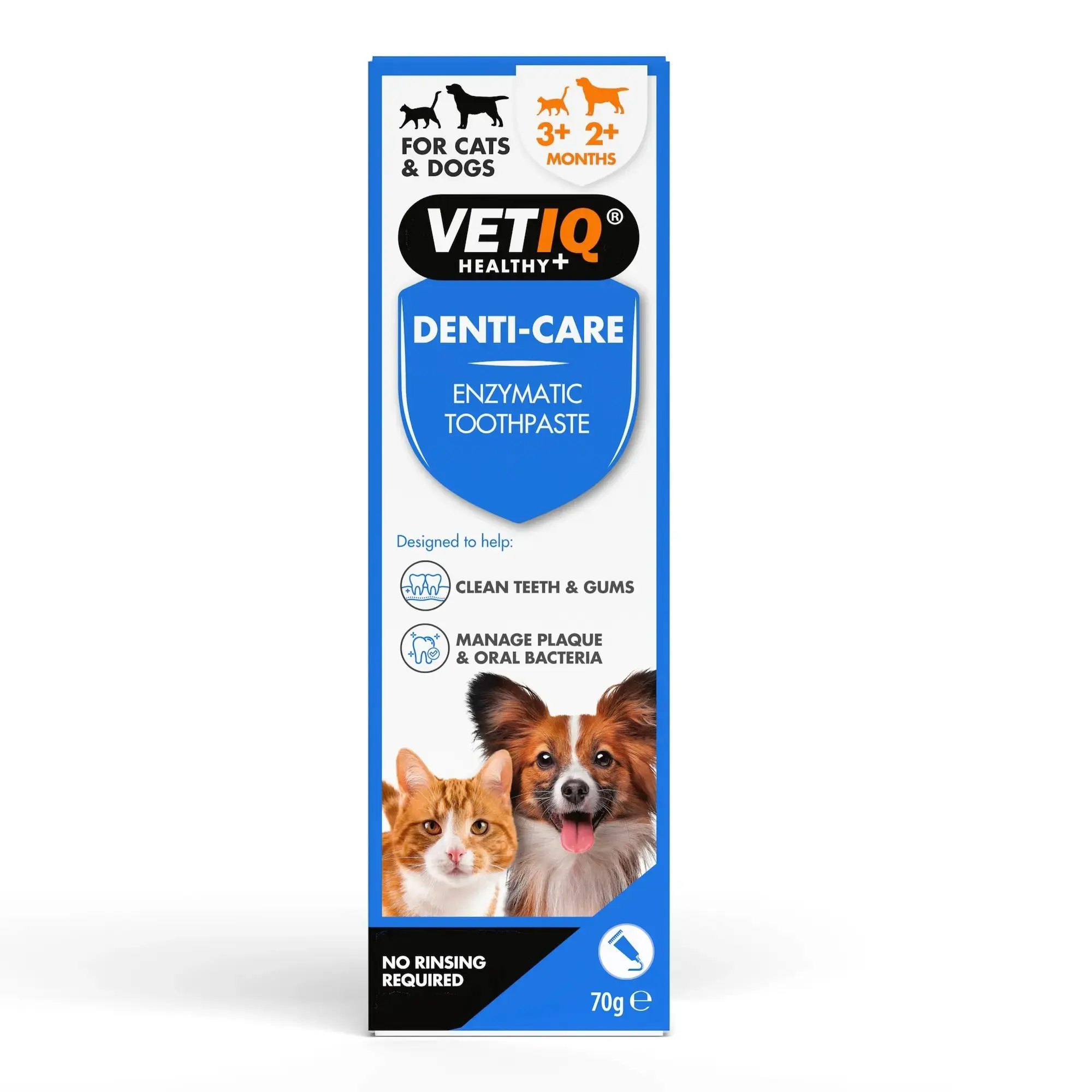
How to clean your pet’s teeth: Start with the VETIQ Dental range
Keeping your pet’s teeth clean can be simple, stress-free, and easy to stick to long-term. The real win is choosing a dental routine that fits your pet’s personality and your day-to-day life, so it actually gets done. That’s exactly why VETIQ offers dental solutions for every type of pet and pet parent:
- VETIQ Enzymatic Toothpaste – a brush-friendly option that uses enzymes to actively reduce plaque, fight oral bacteria, and freshen breath while you gently clean your pet’s teeth.
- VETIQ Denti-Care Kit – an all-in-one brushing solution with a toothbrush, finger brush, and enzymatic toothpaste to make regular tooth cleaning simple and effective.
- VETIQ Denti-Care Powder – a no-brush solution that mixes into food to help reduce plaque and tartar while freshening breath from the inside out.
- VETIQ Denti-Care Solution – an effortless add-to-water option that helps lower oral bacteria every time your pet takes a drink.
- VETIQ Denti-Care Spray – a quick, no-brush spray that targets teeth and gums directly to support gum health and control plaque buildup.
Whichever route you choose, the goal is the same: cleaner teeth, healthier gums, and a happier pet, without stress or daily battles. Build dental care into your routine with VETIQ and turn tooth cleaning into healthy mouths, fresher kisses, and more tail wags. That’s a habit worth keeping!
How to clean your pet’s teeth FAQs
Q: How to clean your pet’s teeth at home safely?
A: We recommend using pet-specific toothbrushes and toothpaste only, focusing on gentle circular motions along the outer surfaces of the teeth. With the right tools and a calm approach, home brushing is safe and highly effective for reducing plaque.
Q: How often should a pet’s teeth be cleaned?
A: Ideally, you should clean a pet’s teeth daily or as close to daily as possible. Short, regular sessions are far more effective than infrequent, longer attempts.
Q: How to clean your pet’s teeth without brushing?
A: You can use no-brush options such as dental powders, water additives, or sprays that help reduce plaque and oral bacteria. These are ideal for pets that dislike toothbrushes or have sensitive gums.
Q: What toothpaste is safe to use when cleaning a pet’s teeth?
A: You should only use pet-safe toothpaste, as human toothpaste contains ingredients that can be harmful if swallowed. Enzymatic formulas are especially helpful for breaking down plaque and freshening breath.
Q: How should you clean your pet’s teeth if they hate it?
A: We suggest starting slowly, keeping sessions brief, and choosing relaxed moments in the day. If brushing isn’t tolerated, no-brush dental products (like powder, solution or spray) can still support long-term oral health without stress.
Q: What are the signs that a pet needs dental care?
A: Bad breath, red or bleeding gums, difficulty chewing, or pawing at the mouth. Spotting these signs early helps prevent more serious dental problems.
Q: How does VETIQ Enzymatic Toothpaste help clean pet teeth?
A: Pet owners use VETIQ Enzymatic Toothpaste to reduce oral bacteria, fight plaque, and freshen breath while brushing. Its enzymes continue working in the mouth without needing rinsing.
Q: What is the VETIQ Denti-Care Kit used for?
A: Our Denti-Care Kit is an all-in-one brushing solution that includes a toothbrush, finger brush, and enzymatic toothpaste. It makes regular tooth cleaning easier and more consistent.
Q: How does VETIQ Denti-Care Powder help clean a pet’s teeth?
A: Pet parents can mix Denti-Care Powder into food to help reduce plaque and tartar from the inside out. It’s a convenient no-brush option, especially useful for cats or reluctant pets.
Q: How can you clean your pet’s teeth long-term without stress?
A: We focus on consistency rather than perfection, adapting the routine as pets age or preferences change. Building dental care into everyday habits helps keep teeth clean over the long run.