



Knowing how to stop pet fleas is every pet owner’s secret weapon when the spring months roll around. If your furry baby has suddenly turned into a scratch-and-wiggle machine, the milder weather might just be the reason why. As the weather brightens and pets spend more time exploring gardens, parks and sunny windowsills, fleas wake up from their winter lull and start looking for their next ride.
For cats, dogs and the humans who adore them, this is the unofficial start of flea season, but with the right know-how, it doesn’t have to be a nuisance. With a few simple habits and a little seasonal awareness, pet owners can help keep their companions comfortable, itch-free and happily flea-free all spring long.
Let’s take a look at some easy ways to stay one step ahead of these tiny troublemakers!
Why spring is peak flea season for pets
Fleas aren’t just a summer nuisance; they actually begin to thrive as soon as winter temperatures rise, which makes spring the perfect time for their grand return. These tiny but stubborn parasites love warm, slightly humid conditions, and the season provides exactly the environment they’ve been waiting for. As pets start spending more time outside enjoying garden adventures, walks in local parks and sunny afternoons in the grass, the chances of picking up fleas increase considerably.
Wildlife such as foxes, hedgehogs, rabbits and neighbouring cats can all carry fleas into gardens and local green spaces, turning an innocent sniff around the bushes into an unexpected flea encounter. To make matters worse, fleas reproduce at an astonishing rate; a single female flea can lay up to 50 eggs a day!
Understanding the flea life cycle
To truly get on top of fleas, it helps to understand how they live and reproduce. Fleas go through four life stages: egg, larva, pupa and adult. Surprisingly, during the stages of eggs, larvae and pupae, fleas don’t actually live on your pet at all. Instead, they settle into your home, hiding in carpets, burrowing into soft furniture, and even lurking in tiny cracks between floorboards.
Because of this, treating your pet alone often isn’t enough to solve the problem. Breaking the flea life cycle is the real key to success, which is why keeping your home clean and well-maintained is just as important as caring for your pet directly.
How fleas find their way onto your pet
Fleas are opportunistic hitchhikers, and they’re surprisingly skilled at sneaking their way into homes and onto unsuspecting pets. The most common routes include:
- Outdoor walks in parks, fields, woodland, or anywhere wildlife roams
- Contact with other pets, whether at the dog park, a friend’s house or the neighbour’s garden
- Fleas or flea eggs hitching a ride indoors on clothing or shoes
- Even strictly indoor pets aren’t immune; fleas can travel through open windows, on visitors’ clothing or even through second-hand furniture
Once fleas have found their way inside, they rarely waste time making themselves comfortable!

How to stop pet fleas before they become a problem
When it comes to fleas, prevention is always far easier than cure. Dealing with a full infestation means tackling your pet, your home and possibly your patience all at once. Fortunately, a few simple and consistent habits can make a huge difference, helping keep both your pet and your household comfortable, calm and flea-free.
How to stop pet fleas with regular grooming
Regular grooming is one of the easiest and most effective ways to detect fleas early, before they have a chance to settle in and multiply. Brushing your pet frequently not only keeps their coat healthy, but also gives you the perfect opportunity to check for any unwanted passengers. Using a fine-toothed flea comb can help you spot early signs that might otherwise go unnoticed.
Pay particular attention to the areas where fleas love to hide:
- The neck and collar area
- Behind and around the ears
- The base of the tail
- Under the legs and around the belly
If you notice small dark specks in your pet’s fur, it’s a good idea to act quickly. Grooming sessions are also a wonderful bonding moment with your pet, so think of it as quality time that happens to come with a health bonus!
Keep your home flea-free
Because most of a flea’s life cycle actually takes place in your home rather than on your pet, keeping your living space clean plays a huge role in prevention. A little regular maintenance can go a long way in stopping fleas from settling in.
Focus especially on the areas where your pet spends the most time:
- Hoover carpets, sofas, pet beds and rugs regularly; fleas and their eggs love to hide deep within fibres
- Wash pet bedding, blankets and soft furnishings frequently using a hot cycle
- Don’t forget cushion covers, throws and other cosy spots where your pet likes to curl up!
Keeping these areas clean helps remove eggs and larvae before they have the chance to develop into biting adults.
Check pets after outdoor adventures
After every walk, garden play session or outdoor adventure, it’s worth giving your pet a quick once-over before they head back indoors. Fleas can jump onto a passing pet in seconds, but a brief inspection can catch early arrivals before they settle in.
Making this simple check part of your post-walk routine can have a surprisingly big impact. Plus, most pets are more than happy to receive a little extra attention and fuss along the way!

How to stop pet fleas if you suspect an infestation
Even with prevention habits in place, fleas can sometimes still find their way into your home. If you notice your pet scratching persistently or you spot tiny dark specks, acting quickly can stop a small issue from turning into a major one.
How to stop pet fleas quickly at home
If you suspect fleas have arrived, the most important step is to act quickly and be thorough:
- Bathe your pet using an appropriate pet-safe product to help remove fleas from their coat
- Follow up with a flea comb to capture any remaining fleas or eggs, working carefully from head to tail
- Wash all pet bedding straight away on the hottest cycle the fabric allows
These steps early can dramatically reduce the chances of a full infestation developing.
Treat your home as well as your pet
Remember, treating your pet alone rarely solves the problem completely. Flea eggs and larvae hiding in carpets, upholstery and soft furnishings can continue to hatch and reinfest your pet if the surrounding environment isn’t addressed as well:
- Hoover carpets, rugs, sofas and upholstered furniture thoroughly and dispose of the vacuum contents immediately
- Wash all machine-safe soft furnishings and pet accessories
- Pay particular attention to the areas where your pet regularly sleeps, rests or plays
By tackling both your pet and their environment together, you greatly increase your chances of stopping fleas in their tracks!
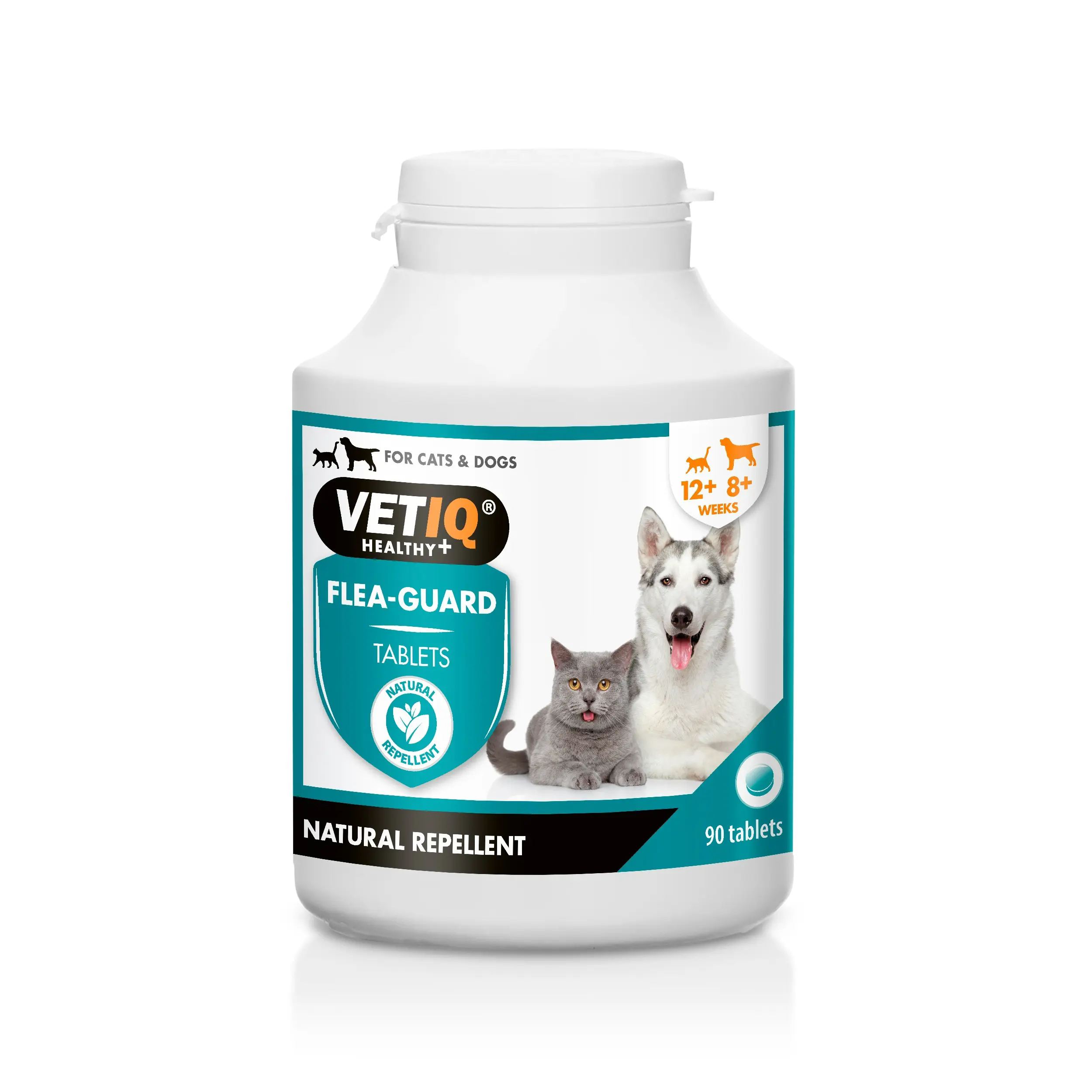
VETIQ Flea Guard: A simple way to help keep your pet flea-free this spring
If none of these methods works and fleas still manage to sneak through, don’t worry; there’s still a simple solution that can help you take back control!
Adding a natural flea deterrent to your pet’s daily routine can provide that extra layer of protection, helping to keep pesky insects away while supporting your pet’s overall well-being:
- VETIQ Flea Guard Tablets: A natural repellent designed to help protect pets from fleas, ticks and mosquitoes, made with a blend of B vitamins, yeast, zinc and garlic that helps deter insects while also supporting healthy skin and a glossy coat.
- VETIQ Flea Guard Granules: A 100% natural deterrent that helps keep fleas, ticks and mosquitoes at bay while reducing doggy smells and supporting healthy skin and coat condition.
With the right combination of smart prevention habits and trusted support from VETIQ Flea Guard, you can help keep your furry family members comfortable, happy and ready to enjoy every sunny spring adventure, without the unwanted itch!
How to stop pet fleas FAQs
Q: How can pet owners stop pet fleas before they become a problem?
A: Grooming pets regularly, checking their coat after outdoor activities, and keeping the home environment clean through frequent hoovering and washing pet bedding.
Q: Why are fleas more common on pets during spring?
A: Fleas become more active when temperatures rise, and spring provides the warm, slightly humid conditions that help them thrive and reproduce quickly.
Q: How do fleas get onto pets in the first place?
A: Fleas can jump onto pets during outdoor walks, through contact with other animals, or by hitching a ride indoors on clothing, shoes or second-hand furniture.
Q: What are the first signs of fleas on pets?
A: Common signs include persistent scratching, small dark specks in the fur, and increased irritation around areas like the neck, ears and tail.
Q: How can pet owners stop pet fleas quickly at home?
A: Bathing pets regularly, combing their coat with a flea comb, washing bedding on a hot cycle, and thoroughly cleaning the home environment.
Q: Why is cleaning my home important when treating fleas?
A: Most flea life stages live in carpets, furniture and soft furnishings, so we need to clean these areas regularly to break the flea life cycle and prevent reinfestation.
Q: What are VETIQ Flea Guard Tablets used for?
A: VETIQ Flea Guard Tablets are natural supplements that help repel fleas, ticks and mosquitoes while supporting healthy skin and a glossy coat using ingredients such as B vitamins, yeast, zinc and garlic.
Q: How do VETIQ Flea Guard Granules help keep pets flea-free?
A: VETIQ Flea Guard Granules provide a 100% natural deterrent against fleas, ticks and mosquitoes while also helping maintain healthy skin, coat condition and reducing doggy smells.

