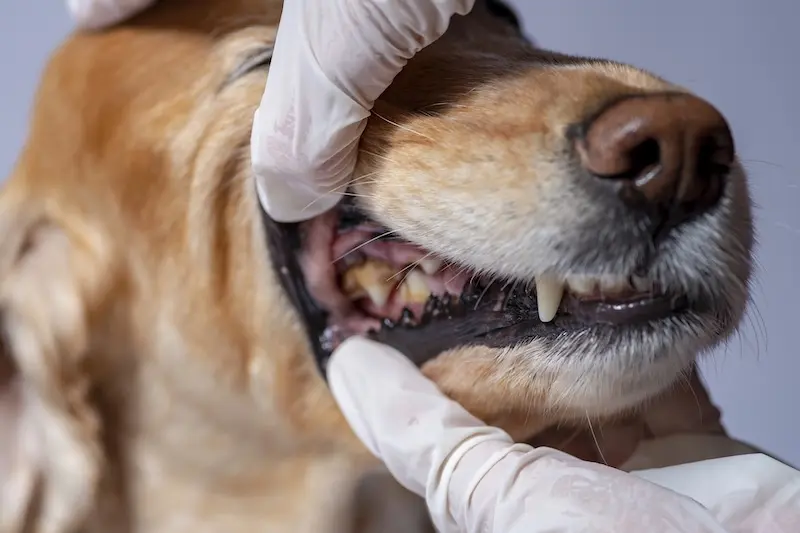
Pet dental problems are surprisingly common, and no, it’s not just about smelly breath after a big yawn in your face!
Dental disease is one of the most frequent issues vets see, which means your pet’s teeth deserve just as much attention as their paws, ears, and wagging tails.
In this article, we’ll break down five common dental problems in pets, the cheeky warning signs your pet might be showing, and when it’s time to book a vet visit. With a little awareness and early action, many dental issues are easy to manage, helping your furry friend stay healthy and ready for cuddles, playtime, and toothy grins!
Understanding pet dental problems before they get worse
Dental health plays a bigger role in your pet’s happiness than you might think, and it’s not just about having a nice smile!
Many dental problems start off small, with a bit of plaque or mild gum irritation, and quietly build up over time if they’re ignored. Keeping an eye out for early warning signs like bad breath, fussiness at mealtimes, or swollen gums can help stop small issues from turning into bigger (and more uncomfortable) ones.
Pets are also very good at hiding pain, so dental trouble often flies under the radar until it’s quite advanced. That’s why regular dental check-ups with your vet are so important. A quick look in your pet’s mouth can catch problems early and help keep their teeth (and tails!) in good shape!
#1. Plaque and tartar buildup
Plaque is a sticky mix of saliva, food bits, and bacteria that clings to your pet’s teeth. If it isn’t brushed away within about 48 hours, it hardens into tartar, which is much tougher to remove.
Once tartar settles in, it can cause a whole host of dental issues. Because pets don’t brush their own teeth (sadly!), plaque and tartar can build up more easily than you might expect.
Visible signs include:
- Yellow or brown marks on the teeth
- Slightly smelly breath
Early signs of pet dental problems related to plaque include:
- Mild redness along the gum line
- A bit of reluctance to chew harder food
- Changes in breath
- Redness, swelling, or bleeding around the gums, which can be an early sign of gingivitis
Visit your vet if the tartar looks thick or the gums appear sore or inflamed, especially along the gum line!

#2. Gingivitis (inflamed gums)
Gingivitis is a painful gum condition caused by plaque and tartar build-up. It’s often the first step on the road to dental disease, but the good news is that it’s reversible when caught early!
Causes
- Plaque and tartar that collect along the teeth and gums
Symptoms
- Red, swollen gums
- Bleeding when chewing or during a quick mouth check
- Extra drooling
- Gums that look sore and bleed easily (healthy gums should be pink and firm)
Book a vet appointment if you notice bleeding, swelling, or obvious gum irritation.
#3. Periodontal disease
Periodontal disease affects the tissues and bone that hold the teeth in place. It’s the most common dental disease in dogs!
Causes
- Starts with gingivitis caused by plaque build-up
- Progresses when inflammation spreads to the deeper tissues and bone
Symptoms
- Reluctance to eat or chewing more slowly
- Pawing at the mouth
- Clear signs of discomfort
Why advanced pet dental problems should never be ignored
- Pain and infection risks: Advanced pet dental problems can be very painful. Infections in the mouth can allow bacteria to enter the bloodstream, which may affect vital organs like the heart, liver, and kidneys.
- Tooth loss: Severe dental disease can lead to loose or lost teeth, making eating uncomfortable and taking the enjoyment out of mealtimes.
- Impact on overall well-being: Dental issues don’t stay in the mouth. Over time, they can affect your pet’s overall health, energy levels, and quality of life.
See a vet immediately if you notice pain, swelling, or loose teeth!
#4. Broken or fractured teeth
Broken or fractured teeth are a common pet dental problem, often caused by chewing on hard objects like bones or antlers, or through accidents and bumps. When a tooth breaks, the sensitive inner pulp can be exposed, leaving it open to infection.
Causes
- Chewing on very hard objects, such as bones
- Accidents or trauma
Symptoms
- Visible cracks or chips in the teeth
- Bleeding from the mouth
- Sudden changes in chewing habits
- Swelling under the eye, which can point to a tooth root abscess
Some pets will keep eating even with painful teeth, so changes can be easy to miss; head to your vet if you notice cracks, bleeding, swelling, or sudden changes in eating behaviour.

#5. Persistent bad breath (Halitosis)
Halitosis is the fancy word for bad breath, and while the occasional whiffy yawn is normal, ongoing bad breath is often your pet’s way of waving a red flag about dental disease.
Causes
- Bacteria build up in the mouth
- Gum disease
- Occasionally non-dental causes, such as digestive issues
Symptoms
- Strong, unpleasant mouth odour
- Difficulty chewing
- Drooling
- Pawing at the mouth
Go to the vet if bad breath sticks around or comes with signs of discomfort like drooling or difficulty eating.
How to help prevent pet dental problems at home
When it comes to prevention, a little effort goes a long way. Daily tooth brushing with a pet-safe toothpaste (never human toothpaste) is the gold standard for keeping teeth clean and healthy.
Starting early and using praise or treats can make brushing feel less like a chore and more like part of the routine.
Sticking to a consistent pet dental care routine can reduce inflammation, support overall health, and even help your pet live a longer, happier life. A healthy mouth means more comfortable eating, more playtime, and plenty more slobbery kisses!

Support your pet’s oral health with the VETIQ dental care range
Looking after your pet’s teeth doesn’t need to be complicated; it just needs consistency and the right support.
The VETIQ dental care range makes daily dental care easy, flexible, and stress-free, with options to suit every pet (and every level of cooperation!), all designed to support oral health alongside regular vet care:
- VETIQ Enzymatic Toothpaste – A no-rinse, enzyme-powered toothpaste for dogs and cats that helps reduce plaque, manage oral bacteria, and freshen breath even after brushing is done.
- VETIQ Denti-Care Kit – An all-in-one starter kit with enzymatic toothpaste, bamboo toothbrush, and finger brush, making daily brushing simple and approachable.
- VETIQ Denti-Care Powder – A 100% natural, brush-free option that mixes into food to help reduce plaque and freshen breath — ideal for pets that refuse brushing.
- VETIQ Denti-Care Solution – An easy add-to-water formula that works throughout the day to help reduce oral bacteria and plaque with zero effort.
- VETIQ Denti-Care Spray – A quick, no-brush spray with a 360° nozzle designed to reach the gum line, helping support gum health and fresher breath.
Build dental care into your pet’s daily routine, because a healthier mouth means easier meals, fresher cuddles, and a happier pet all around!
Common pet dental problems FAQs
Q: What are the most common pet dental problems owners should watch out for?
A: The most common pet dental problems are plaque and tartar build-up, gingivitis, periodontal disease, broken or fractured teeth, and persistent bad breath.
Q: What are the early signs of pet dental problems?
A: Early signs include bad breath, red or swollen gums, reluctance to chew, drooling, and subtle changes in eating behaviour.
Q: How serious is periodontal disease in pets?
A: Periodontal disease is one of the most serious pet dental problems, as it can cause pain, tooth loss, and allow bacteria to affect vital organs if left untreated.
Q: Is bad breath in pets always a sign of dental disease?
A: While occasional bad breath can be normal, we consider persistent bad breath a key warning sign of underlying pet dental problems that a vet should check.
Q: Can broken or fractured teeth cause health issues in pets?
A: Yes, we know broken or fractured teeth can expose the tooth’s inner pulp, leading to pain, infection, and abscesses if not treated promptly.
Q: How can pet owners help prevent dental problems at home?
A: We recommend daily brushing with pet-safe toothpaste, regular dental check-ups, and sticking to a consistent oral care routine to reduce plaque and bacteria.
Q: What dental problems can plaque and tartar build-up lead to?
A: If plaque isn’t removed, we see it harden into tartar, which can cause gingivitis, periodontal disease, gum inflammation, and worsening pet dental problems.
Q: How does VETIQ Enzymatic Toothpaste help with pet dental problems?
A: VETIQ Enzymatic Toothpaste helps to reduce oral bacteria, manage plaque and tartar, support gum health, and freshen breath without the need for rinsing.
Q: Are brush-free dental products effective for pets that hate brushing?
A: Yes; we recommend VETIQ’s brush-free dental options, including Denti-Care Powder, Denti-Care Spray, and Denti-Care Solution, as effective ways to help reduce oral bacteria, manage plaque, and support daily dental care for pets that won’t tolerate brushing.