
Flea treatments for pets work best when owners understand how these tiny troublemakers spread, where they like to hide, and which solutions suit their cat, dog, and home.
The good news is that while fleas may be persistent little hitchhikers, they’re also highly manageable with the right approach. Acting quickly helps keep your pet comfortable, your home fresh, and those unwanted “guests” firmly out the door!
The ideal solution depends on your pet’s lifestyle, your living environment, and how consistent you are with prevention, and this guide will walk you through it all, step by step, without the itch-inducing confusion!
How flea treatments for pets work best
No single product can handle the whole job on its own, and knowing why gives you a real edge in keeping those pesky freeloaders under control.
Fleas don’t just hang out on your pet; they love to settle into carpets, sofas, bedding, and any cosy nook they can find. In fact, adult fleas are only a small part of the problem. Eggs, larvae, and pupae can be quietly lurking in your home long after you’ve treated your pet, waiting for their moment to stage a comeback.
The best results come from a combined approach: treating your pet, cleaning your home, and sticking to a consistent prevention routine. A one-off fix might seem like a quick win, but without follow-through, fleas can bounce back faster than a dog chasing a tennis ball. Treating the entire environment, not just your furry friend, is what truly breaks the cycle.
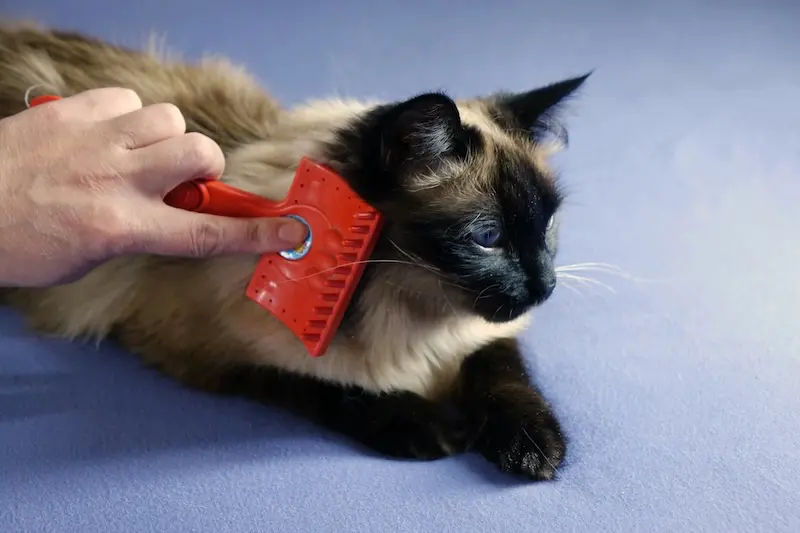
Signs your furry baby may need flea treatment!
Catching the signs early is actually a good thing; it means you can step in before things get out of hand. Here’s what to keep an eye out for:
- Excessive scratching, especially around the head, neck, and base of the tail
- Biting or licking the skin; your pet’s way of saying “something’s not right”
- Restlessness, fidgeting, circling, or struggling to settle down
- Hair loss or irritated skin; too much scratching can leave sore spots behind
- Flea dirt in the coat; tiny black specks (droppings) close to the skin
- Visible fleas when combing; quick, dark specks that are surprisingly slippery
None of these signs means disaster; think of them as your pet’s subtle (or not-so-subtle) hint that it’s time to take action.
Safe natural ways to support flea control at home
Alongside any treatment plan, a clean home makes a big difference. These steps won’t solve everything on their own, but they’re a strong supporting act in your flea-fighting routine:
- Hoover regularly: Focus on carpets, skirting boards, and under furniture where eggs like to hide
- Wash pet bedding at high temperatures: This helps send eggs and larvae packing
- Use a flea comb: A simple way to stay on top of what’s happening in your pet’s coat
- Bathe your pet when appropriate: Always consider what suits their breed and skin
- Keep sleeping areas fresh: Rotate and wash blankets regularly
- Clean outdoor gear: Car boot liners, carriers, and bedding can all harbour hitchhikers
Think of these as your regular “clean sweep”, not a one-time fix, but an ongoing routine to keep fleas from getting too comfortable.
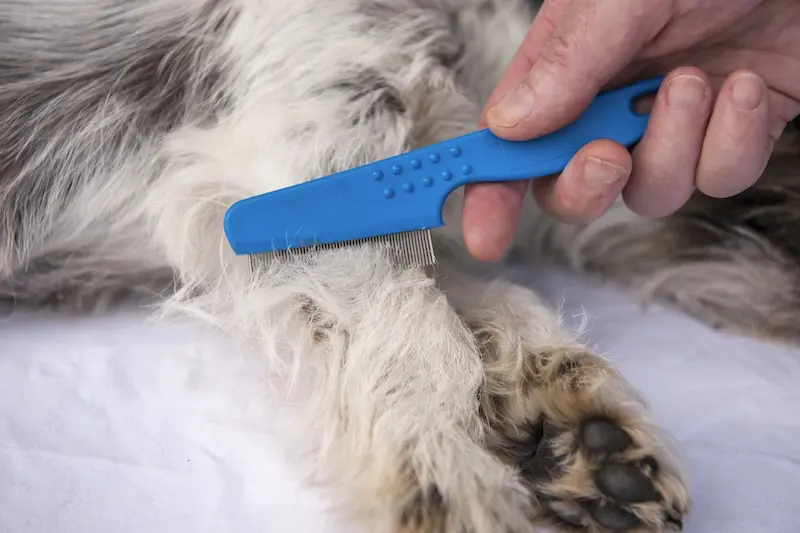
Choosing the right flea treatments for pets for different lifestyles
Every pet has their own routine, personality, and favourite hangouts, and the best flea control approach often depends on exactly that.
Flea treatments for pets that love outdoor adventures
Pets that spend time exploring gardens, parks, or woodland areas naturally face more exposure. Fleas thrive in shaded, grassy spots, making outdoor adventures prime time for pick-ups.
For these curious explorers, consistency is key. A quick coat check after walks or playtime can help you spot any unwanted passengers before they settle in for the long haul!
Flea treatments for pets in multi-pet homes
When you’ve got more than one pet, fleas see it as an open invitation. They can move quickly between animals, especially when beds, blankets, and lounging spots are shared. Treating just one pet is rarely enough; it’s a group effort. A coordinated approach, combined with solid home hygiene, helps stop fleas from making the rounds.
Flea treatments for pets with sensitive skin
Some pets are a little more delicate when it comes to treatments, so a gentler approach may be needed. Always check product instructions carefully and make sure what you’re using suits your pet’s species, weight, and age. If you’re unsure, a quick chat with your vet can help you avoid any unnecessary itchiness or irritation.
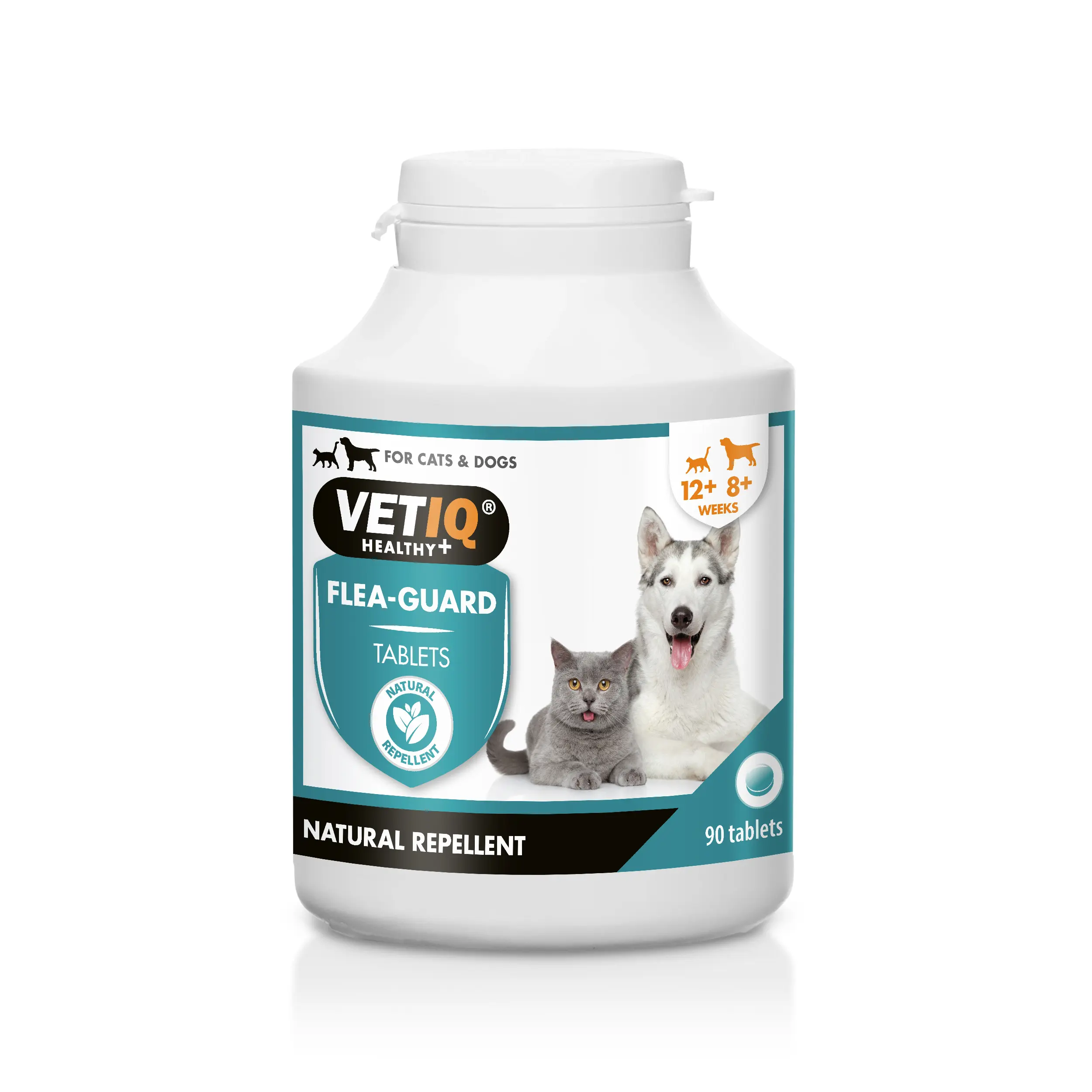
VETIQ is your supplier of the best flea treatments for pets
The easiest way to deal with fleas is to not let them get comfortable in the first place!
By building a simple, consistent prevention routine into your pet’s daily care, you can stay one step ahead and keep those unwelcome hitchhikers firmly off the guest list!
If you’re looking for a fuss-free way to level up your routine, VETIQ makes it easy with two natural, easy-to-use options:
- Natural repellent for fleas, ticks, and mosquitoes
- Contains B vitamins, yeast, zinc, and garlic
- Helps reduce pet odours
- Supports a glossy coat and healthy skin
- Easy to add to your pet’s daily routine
- 100% natural deterrent for fleas, ticks, and mosquitoes
- Free from artificial colours, flavours, and preservatives
- Contains B vitamins, yeast, and zinc
- Helps reduce “soggy doggy” smells
- Supports healthy skin and a shiny coat
No complicated steps, no harsh extras; just straightforward support for a happier, itch-free pet.
So whether your furry companion is an outdoor explorer or a professional sofa lounger, now’s the time to take control. Add VETIQ Flea Guard to your routine, stay consistent, and keep your home and pet comfortably flea-free, so the only thing your pet will be picking up is compliments and attention!
The best flea treatments for pets FAQs
Q: What are the best flea treatments for pets?
A: The best flea treatments for pets combine treating the animal, cleaning the home, and maintaining a consistent prevention routine to break the flea lifecycle effectively.
Q: How do flea treatments for pets work?
A: Flea treatments work by targeting fleas on the pet while also dealing with eggs, larvae, and pupae in the home, which helps prevent reinfestation.
Q: What are the common signs a pet needs flea treatment?
A: Excessive scratching, biting or licking of skin, restlessness, hair loss, flea dirt in the coat, and visible fleas during grooming.
Q: Can flea treatments for pets eliminate fleas completely?
A: Flea treatments can eliminate infestations when combined with regular home cleaning and ongoing prevention, as fleas often live beyond just the pet.
Q: What natural methods support flea treatments for pets at home?
A: Regular hoovering, washing pet bedding at high temperatures, using flea combs, bathing pets when suitable, and keeping living areas clean all support flea control.
Q: What are the best flea treatments for pets in multi-pet homes?
A: All animals should be treated together alongside consistent home cleaning to prevent fleas from spreading between pets.
Q: How often should flea treatments for pets be used?
A: Flea treatments should be used consistently as part of an ongoing routine, rather than as a one-off solution, to prevent fleas from returning.
Q: Are flea treatments for pets safe for sensitive animals?
A: Some pets require gentler options, so treatments should match the pet’s species, age, and condition, with veterinary advice recommended if unsure.
Q: What are VETIQ Flea Guard Tablets used for?
A: VETIQ Flea Guard Tablets are used as a natural repellent for fleas, ticks, and mosquitoes, while also supporting healthy skin, coat condition, and reducing pet odours.
Q: What are the benefits of VETIQ Flea Guard Granules?
A: VETIQ Flea Guard Granules provide a 100% natural deterrent against fleas, ticks, and mosquitoes, while promoting a glossy coat, healthy skin, and fresher-smelling pets.