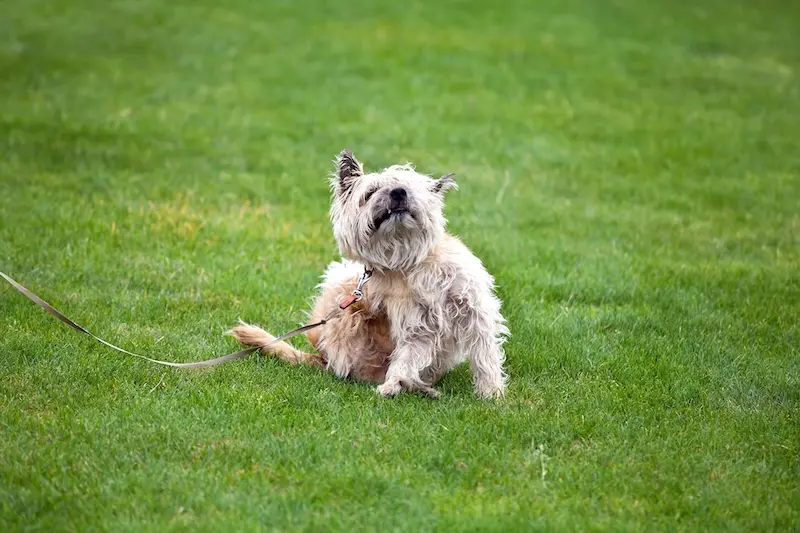
Preventing fleas in pets is far easier than tackling a full-blown infestation once the scratching starts and your home turns into a battleground!
These tiny hitchhikers are a common nuisance for cats and dogs, but with the right routine, they don’t stand a chance. A little prevention goes a long way, keeping your pet comfortable, your home fresh, and those unwanted guests firmly shown the door.
Read on for simple, practical tips to help you stay one step ahead of these persistent pests!
Preventing fleas in pets starts with understanding the risk
Why preventing fleas in pets matters all year round
It’s tempting to treat fleas as a seasonal nuisance, but in reality, they’re a year-round concern for pet owners!
Modern, centrally heated homes provide the perfect cosy environment for fleas to thrive, even in the middle of winter. Indoors, these tiny pests can survive and reproduce without interruption, and their numbers can escalate quickly. A single flea can lay dozens of eggs a day, meaning what starts as a minor irritation can soon turn into a full-blown invasion.
Staying one step ahead is far easier than playing catch-up once they’ve settled in!
Common signs a pet may have fleas
Catching fleas early makes all the difference, so knowing what to look for is key. Keep an eye out for:
- Persistent scratching or biting at the skin, particularly around the neck, tail base and belly
- Restlessness or unusual agitation, especially when your pet should be relaxed
- Hair loss or red, irritated patches of skin
- Black specks in the fur, often called “flea dirt,” are actually flea waste!
- Tiny, fast-moving dots jumping through the coat or on bedding
Spotting these tell-tail signs early gives you a clear advantage, making it much easier to deal with the issue before it spreads throughout your home.
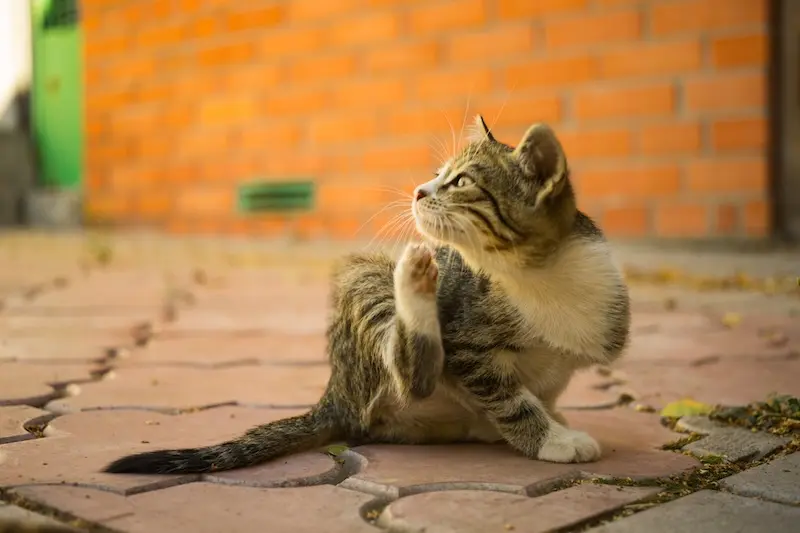
Daily habits that make preventing fleas in pets easier
Grooming checks that catch problems early
Regular grooming is one of the simplest and most effective tools in any pet owner’s routine. A thorough brush a few times a week doesn’t just keep coats looking their best; it’s your chance to check for any unwelcome visitors trying to sneak in.
Pay close attention to flea-favourite zones: the belly, base of the tail, neck and around the ears. A fine-toothed flea comb works wonders for getting right down to the skin. By building these checks into your routine (especially after walks or outdoor play!), you can catch any hitchhikers early, before they settle in and make themselves comfortable.
Keep beds, blankets and favourite spots clean
Fleas aren’t just content hitching a ride on your pet; they’ll also settle into the spaces your pet loves most. Bedding, blankets, cosy sofa corners and carpets all make ideal hiding spots for eggs and larvae. Regularly washing pet bedding at high temperatures is a simple but effective way to disrupt their life cycle.
Soft furnishings should be cleaned consistently, and vacuuming carpets, rugs and along skirting boards helps remove any hidden eggs or larvae.
One small but important detail: always empty the vacuum promptly after use. Otherwise, those tiny stowaways might just hatch and start the cycle all over again!

How to protect pets from fleas when outdoors
Flea hotspots to watch out for
The outdoors is where pets most commonly pick up fleas, so knowing the riskier areas can help you stay alert. Some environments are particularly flea-friendly:
- Long grass and woodland areas where wildlife roam freely
- Shared outdoor spaces like dog parks or communal gardens
- Boarding kennels and catteries, even those that are well-maintained
- Visiting homes where other pets may not be on a prevention routine
Being aware of these hotspots helps you take extra care when your pet is out exploring.
Smart habits after walks or outdoor play
A quick post-walk check can make a big difference. Running a brush or comb through your pet’s coat before heading indoors takes only a minute but can stop fleas from sneaking inside.
Bedding used after muddy adventures should be washed promptly, and keeping sleeping areas clean and fresh helps prevent anything from taking hold between grooming sessions.
Preventing fleas in pets in multi-pet homes
Why one untreated pet can affect everyone
In multi-pet households, consistency is everything. Fleas aren’t picky; they’ll happily move between cats, dogs and any other furry companions. If one pet is protected but another isn’t, the untreated pet becomes an open door for fleas to re-enter the home. A whole-home, whole-pet approach is the only reliable way to keep everyone itch-free.
Routine beats panic every time
When it comes to fleas, consistency beats crisis management every time. Setting reminders on your phone or noting key dates in the calendar helps ensure grooming checks and cleaning routines stay on track. Keeping an eye on all pets, not just the one doing the most scratching, means nothing slips through the cracks.
A little regular effort keeps things under control and saves you from a much bigger headache down the line!
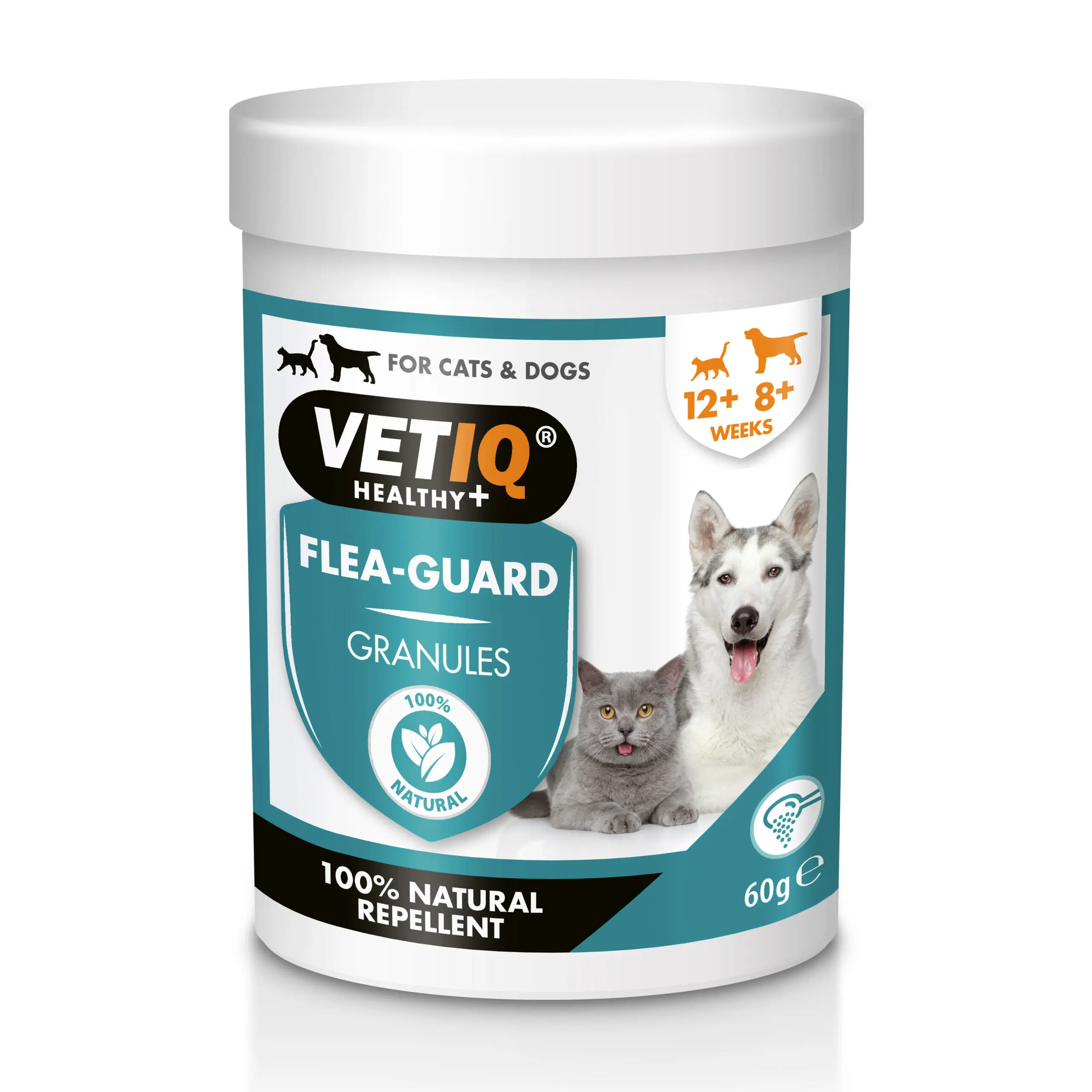
Preventing fleas in pets starts with trusted support from VETIQ
Keep fleas firmly off the guest list with a prevention routine that actually sticks. By combining smart daily habits with trusted support like VETIQ Flea Guard, you give your pet round-the-clock protection in a way that’s simple, natural and easy to maintain:
- Repels fleas, ticks and mosquitoes
- Contains B vitamins, yeast, zinc and garlic
- Supports a glossy coat and healthy skin
- Helps reduce unwanted pet odours
- Easy and safe to use as part of a daily routine
- Repels fleas, ticks and mosquitoes
- 100% natural treatment and deterrent
- No artificial colours, flavours or preservatives
- Contains B vitamins, yeast and zinc
- Supports healthy skin and a glossy coat
- Helps reduce “soggy dog” smells
- Simple edible sprinkle-on food for everyday use
With fuss-free options that slot neatly into your routine, it’s never been easier to stay ahead of the itch and keep tails wagging. Explore the VETIQ Flea Guard range today and find the perfect fit to keep every pet in your home happy, comfortable and pest-free all year long!
Preventing fleas in pets FAQs
Q: What is the best way of preventing fleas in pets?
A: The most effective approach combines regular grooming checks, consistent cleaning of bedding and home areas, and using trusted products like VETIQ Flea Guard to maintain ongoing protection!
Q: Why is preventing fleas in pets important all year round?
A: Fleas thrive indoors in warm homes, meaning they can survive and reproduce year-round, so consistent prevention helps avoid infestations at any time.
Q: What are the common signs of fleas in pets?
A: Persistent scratching, red or irritated skin, hair loss, flea dirt in the coat, and small, fast-moving insects on the pet or bedding.
Q: How can pet owners prevent fleas after walks or outdoor play?
A: A quick brush or comb after outdoor activity, along with washing bedding and maintaining clean sleeping areas, helps stop fleas from entering the home.
Q: Where do pets usually pick up fleas?
A: Long grass, woodland areas, dog parks, kennels, catteries, or from contact with other untreated animals.
Q: How can fleas be prevented in multi-pet households?
A: All pets should follow the same prevention routine, as untreated animals can easily reintroduce fleas into the home.
Q: Are natural flea prevention products effective for pets?
A: Natural products like VETIQ Flea Guard can be effective when used consistently alongside good hygiene and grooming routines to maintain ongoing protection.
Q: What are VETIQ Flea Guard Tablets used for?
A: VETIQ Flea Guard Tablets are used to naturally repel fleas, ticks, and mosquitoes while supporting healthy skin, a glossy coat, and reducing pet odours.
Q: How do VETIQ Flea Guard Granules work for preventing fleas in pets?
A: VETIQ Flea Guard Granules act as a 100% natural deterrent, repelling pests while promoting coat health and being easy to use as a daily sprinkle-on food solution.